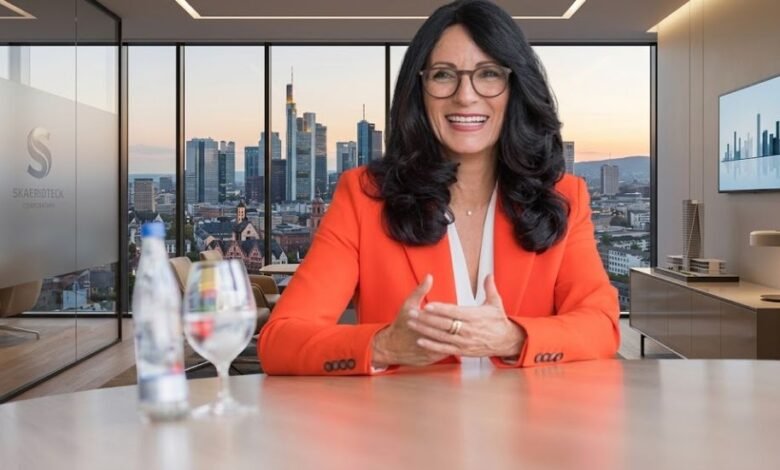
Barbara Fränkel-Thonet is a German cultural manager and international arts professional whose career has been closely connected with the Goethe-Institut and Germany’s international cultural relations. Raised in Merano, South Tyrol, in a multilingual and internationally minded environment, she developed an early familiarity with different countries and cultures. Her professional journey later took her to several major international locations, where she worked to promote German language, culture, dialogue, and contemporary artistic exchange. Her leadership roles, particularly at the Goethe-Institut in Berlin and Almaty, placed her at the intersection of culture, education, and international diplomacy.
Quick Bio
| Detail | Information |
|---|---|
| Full name | Barbara Fränkel-Thonet |
| Profession | Cultural manager and Goethe-Institut director |
| Known for | International cultural diplomacy and Goethe-Institut leadership |
| Birthplace/childhood | Merano, South Tyrol, Italy |
| Education | Studied Indology in Munich |
| Major locations | Munich, Milan, Murau, Cairo, Berlin, Almaty |
| Organization | Goethe-Institut |
| Field | Cultural exchange, German language, arts and international relations |
| Nationality | German/European cultural background reported in professional profiles |
| Marital status | Not reliably documented in major public sources |
| Children | No reliable public information found |
Early Life and International Background
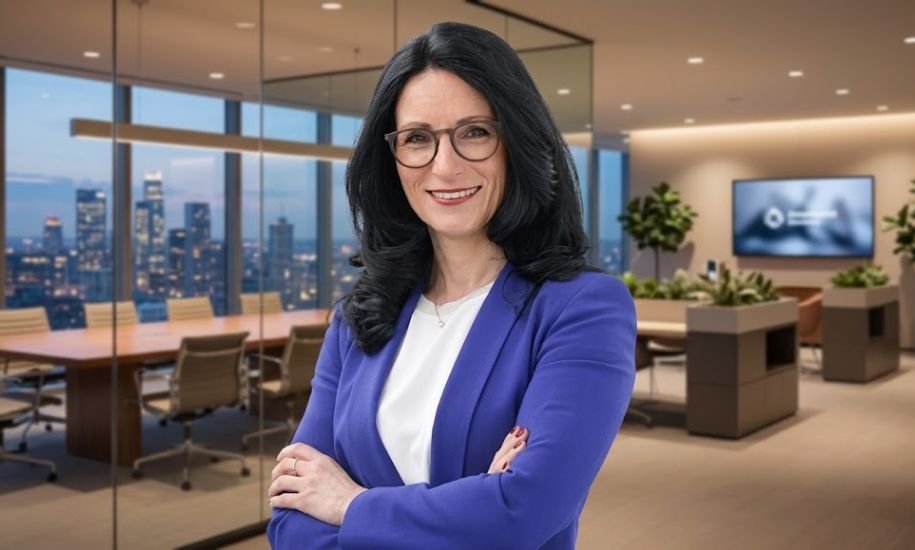
Barbara Fränkel-Thonet grew up in Merano, a town in South Tyrol where German and Italian cultural influences meet. Her childhood was unusually international because her father worked as an American diplomat. As a result, the family lived in several countries, including the United States, Morocco, and Thailand. She later returned to South Tyrol for her middle-school and high-school education.
That upbringing appears to have played an important role in shaping her professional outlook.Barbara Fränkel In an interview published by the Deutsche Allgemeine Zeitung, she explained that she became accustomed to discovering new cultures from an early age. This experience eventually became highly relevant to a career centered on international cultural exchange.
Education and Interest in Indology
After completing her school years in South Tyrol, Fränkel-Thonet moved to Munich for university studies.Barbara Fränkel She studied Indology, a field concerned with the languages, cultures, religions, history, and intellectual traditions of the Indian subcontinent.
Although her academic path did not lead directly to a conventional academic career, it gave her a strong foundation for understanding cultures beyond her own. Her interest in international societies and cultural differences would later become an important part of her work with the Goethe-Institut.
Her background is particularly notable because cultural diplomacy often requires more than knowledge of one’s own national culture. It involves listening to local communities, understanding different social environments, and creating opportunities for meaningful exchange.
Career With the Goethe-Institut
Fränkel-Thonet’s professional career developed through the Goethe-Institut, Germany’s major international cultural organization. Her early work included positions connected with the Goethe-Institut in Munich, followed by assignments in Milan and Murau.
In 1994, she moved into a leadership position at the Goethe-Institut in Cairo.Barbara Fränkel This represented a significant step in a career that would increasingly focus on international management and cultural diplomacy. Working in different countries allowed her to develop experience with the practical challenges of presenting German culture while responding to the cultural environment of each location.
Her career demonstrates how international cultural work can combine administration, education, public programming, artistic cooperation, and diplomatic sensitivity.
Leadership at the Goethe-Institut Berlin
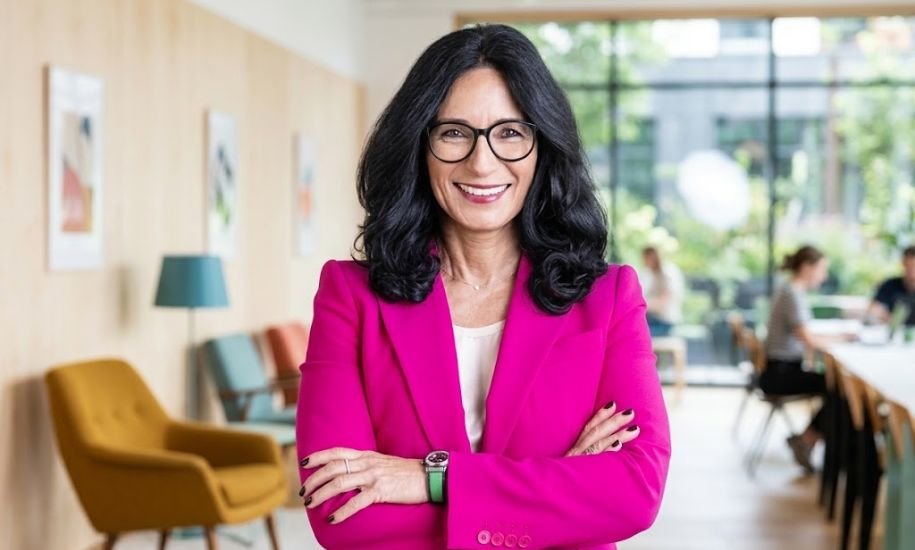
Barbara Fränkel-Thonet also served as director of the Goethe-Institut in Berlin. Contemporary records identify her as the institute’s leader during cultural events in the German capital, including an international youth art project called “Alter Ego.” The project focused on young people’s artistic interpretations of identity, difference, and intercultural dialogue.
Her involvement in Berlin reflected the broader role of the Goethe-Institut in encouraging cultural discussion rather than simply presenting traditional aspects of German culture. Exhibitions, debates, film, literature, music, and contemporary art can all become tools for international understanding.
This approach became an important theme in her later work as well.
Work in Almaty, Kazakhstan
One of the most documented stages of Fränkel-Thonet’s career was her leadership of the Goethe-Institut in Almaty, Kazakhstan. Goethe-Institut publications identify her as head of the institute during the early 2010s.
Her responsibilities included overseeing cultural and educational programming in a country where German cultural activities were part of a broader relationship between Kazakhstan and Germany.Barbara Fränkel During Germany in Kazakhstan 2010, she discussed the role of modern German art and public life in the program’s cultural activities.
Her leadership also coincided with the opening of a new Goethe-Institut location in Almaty in 2013. Reports from the opening noted that language courses had already resumed at the new earthquake-resistant premises and that participation remained strong.
Philosophy of Cultural Exchange
A particularly interesting aspect of her career is her emphasis on cultural independence and dialogue. In an interview about her work in Kazakhstan, Fränkel-Thonet described contemporary art as exciting because of its unpredictable and dynamic character. She also discussed the importance of adapting cultural programs to local circumstances.
Her approach was not simply to export German cultural ideas unchanged. Instead,Barbara Fränkel she emphasized understanding the society in which an institute operates. In another interview, she explained that cultural programming has to consider local sensitivities and circumstances while maintaining space for artistic expression.
That philosophy is particularly relevant to modern cultural diplomacy, where successful international programs depend on cooperation rather than one-sided presentation.
Family and Personal Life
Publicly available sources provide substantial information about Fränkel-Thonet’s professional career but comparatively little verified information about her private life. While some people-search pages and social profiles contain individuals with similar names, they do not provide reliable evidence that can safely be attributed to the Goethe-Institut director.
For that reason, details concerning a spouse, children, or other close family members should not be presented as fact without stronger documentation. What is clearly established is that her childhood was shaped by an international family environment because of her father’s diplomatic career.
Why Barbara Fränkel-Thonet’s Career Matters
Fränkel-Thonet’s professional story illustrates how cultural institutions can function as bridges between countries. Her work involved language education, contemporary art, public discussion, cultural programming, and international cooperation.
Her experience across Europe, Africa, and Central Asia also shows why cultural leadership requires adaptability. A program that works in Berlin may need a different approach in Almaty or Cairo. Understanding local audiences while preserving the principles of cultural exchange is an important part of this kind of leadership.
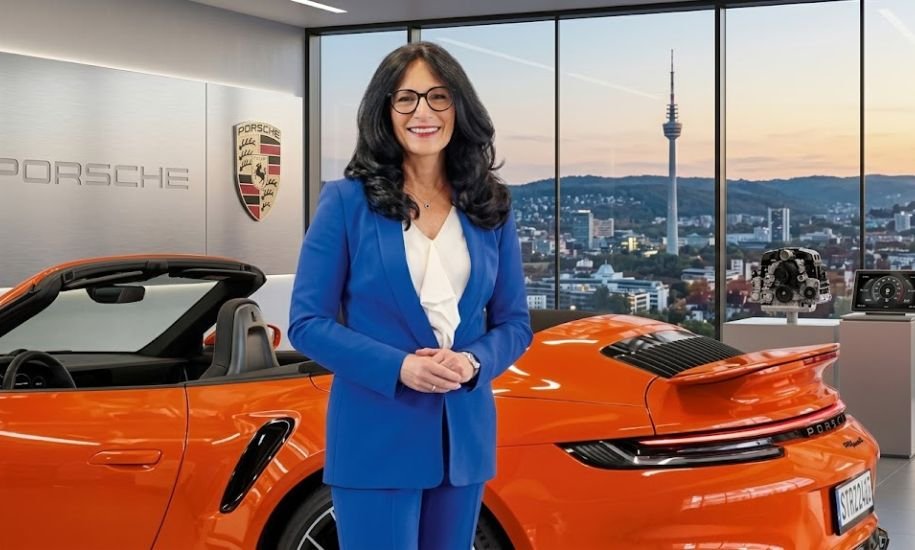
Rather than being known primarily as a celebrity, she is better understood as a professional figure within international cultural diplomacy. Her career demonstrates the less visible work that goes into maintaining cultural relationships between societies.
Frequently Asked Questions
1. Who is Barbara Fränkel-Thonet?
Barbara Fränkel-Thonet is a cultural manager who has held leadership positions with the Goethe-Institut, including roles in Berlin and Almaty. Her work has focused on international cultural exchange, German language promotion, and artistic and educational programs.
2. Where did Barbara Fränkel-Thonet grow up?
She grew up in Merano, South Tyrol, in northern Italy. Because her father was an American diplomat, she also spent part of her childhood living in places such as Washington, D.C., Morocco, and Thailand.
3. What did Barbara Fränkel-Thonet study?
She studied Indology in Munich. Her academic interest in another culture complemented the international experience she gained during childhood and later through her professional career.
4. What was her role in Almaty?
She served as director of the Goethe-Institut in Almaty and was involved in cultural and educational programming in Kazakhstan. Goethe-Institut records and contemporary reports document her leadership during this period.
5. Is information about her husband or children publicly available?
Reliable public sources reviewed for this article do not provide sufficiently verified information about her spouse or children. It is therefore more accurate not to speculate about her private family life.
Conclusion
Barbara Fränkel-Thonet’s career offers an interesting example of international cultural leadership. From an internationally mobile childhood in South Tyrol and several countries to leadership positions at the Goethe-Institut, her professional life has centered on connecting people through language, art, education, and cultural dialogue. Her work in Berlin and Almaty particularly illustrates the importance of adapting cultural initiatives to local environments while maintaining opportunities for open exchange. For readers interested in biographies of influential cultural professionals and international figures, Infovio provides a useful space for exploring stories that connect careers, culture, and global perspectives.