Stefan Miltenyi: Biography, Career, Innovation, and the Story Behind Miltenyi Biotec

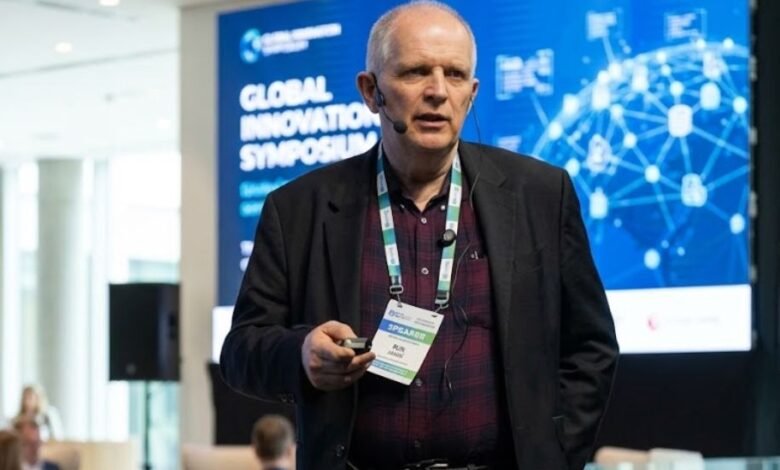
Stefan Miltenyi is a German physicist, inventor, and entrepreneur whose work helped transform the way scientists separate and study cells. His name is closely associated with Miltenyi Biotec, the biotechnology company he founded in 1989 after developing a practical approach to magnetic cell separation. What began as a scientific idea connected to research at the University of Cologne eventually developed into a global biotechnology business serving biomedical researchers, clinicians, and cell-therapy specialists. His career is a notable example of how fundamental research can become a technology with applications far beyond the laboratory.
Quick Bio
| Detail | Information |
|---|---|
| Full name | Stefan Miltenyi |
| Profession | Physicist, inventor, entrepreneur |
| Nationality | German |
| Known for | Magnetic-activated cell sorting (MACS) technology |
| Company founded | Miltenyi Biotec |
| Year founded | 1989 |
| Research connection | Institute for Genetics, University of Cologne |
| Main field | Biotechnology, cell separation, cellular research |
| Headquarters associated with his company | Bergisch Gladbach, Germany |
| Public family information | Limited publicly documented information |
Early Life and Scientific Background
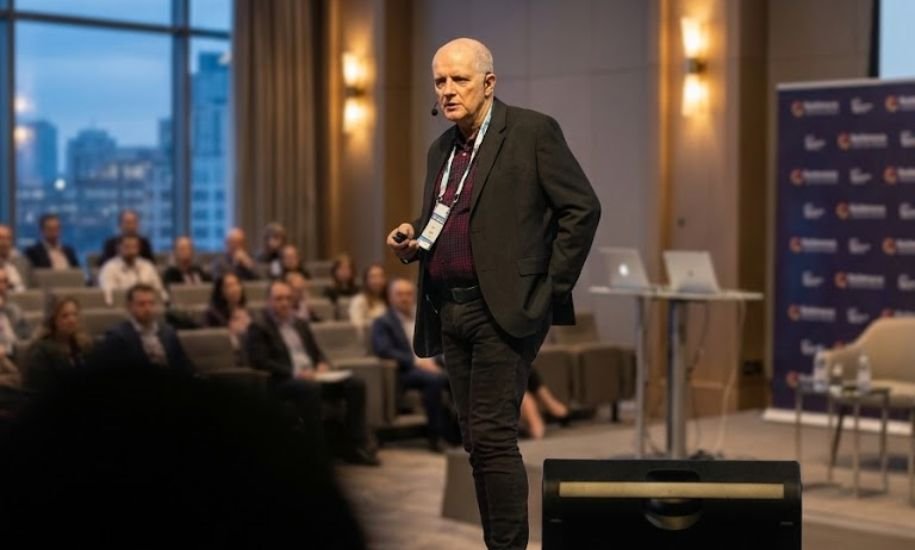
Stefan Miltenyi developed his career in Germany as a physicist with an interest in applying technical principles to biological problems. His work became associated with the Institute for Genetics at the University of Cologne, where he contributed to research involving cell separation.
One of the important stages in his early career was the development of a magnetic method for separating cells according to specific surface markers. A research paper describing high-gradient magnetic cell separation with MACS was published in Cytometry in 1990. The technique used antibodies and very small magnetic particles to identify particular cells and then separate them through a magnetic field.
This combination of physics, engineering, and biology became the foundation for his later entrepreneurial career.
The Development of MACS Technology
Magnetic-activated cell sorting, commonly known as MACS, became the central innovation associated with Miltenyi’s career. In simple terms, the method allows researchers to label specific cells with magnetic particles and then use a magnetic field to separate those cells from a mixture.
The significance of the idea was its practicality. Researchers could isolate particular cell populations while maintaining a workflow compatible with subsequent biological analysis. The original research demonstrated that large numbers of cells could be processed efficiently and that the separated cells could subsequently be analyzed using other laboratory techniques.
The technology became particularly relevant to immunology, cell biology, stem-cell research, and later cellular therapy. Its development illustrates how a relatively focused laboratory technique can become an important platform when it solves a recurring problem in scientific research.
Founding Miltenyi Biotec
In 1989, Stefan Miltenyi founded Miltenyi Biotec in Bergisch Gladbach near Cologne. According to BIO Deutschland, he started the company with approximately 10,000 Deutsche Mark and initially worked with four employees in a small industrial building.
The early business was built around commercializing the technology that had emerged from his research. Rather than treating the invention simply as an academic achievement, he developed it into instruments, reagents, and systems that could be used by laboratories.

That transition from researcher to company founder became one of the defining features of his career. Miltenyi Biotec gradually expanded its activities beyond magnetic cell separation, developing a broader portfolio for cellular research and clinical applications.
Growth of a Global Biotechnology Company
Over the decades, Miltenyi Biotec evolved from a small German startup into an international biotechnology organization. Its work has expanded into areas including cell analysis, sample preparation, flow cytometry, cell culture, molecular research, and cellular therapy.
The company’s technologies are used across research and translational settings, particularly in fields such as immunology, cancer research, neuroscience, and stem-cell biology. Its clinical activities have also included technologies designed to support cell-processing and cell-therapy workflows.
An important characteristic of the company’s development has been its emphasis on keeping research, engineering, and product development closely connected. This approach reflects the scientific background of its founder and helped the organization move from a single technology toward a much wider biotechnology platform.
Stefan Miltenyi’s Role as an Entrepreneur
Miltenyi’s story is different from that of a conventional corporate executive. His career began with scientific research, and his business grew directly from a technical innovation. Public sources have described him as the founder and a senior leader of Miltenyi Biotec, while company records have also identified him in management roles.
His approach to growth has also attracted attention because the company historically remained privately controlled. BIO Deutschland reported that the founder financed expansion by reinvesting profits rather than relying primarily on outside financing.
This strategy allowed the business to maintain a strong long-term focus on research and development.
Contributions to Cell Biology and Medicine
The lasting importance of Miltenyi’s work is closely connected to the practical use of cell separation. Modern biomedical research often requires scientists to identify particular cell populations within complex mixtures. Being able to enrich or remove selected cells can make later experiments more precise and manageable.
MACS technology became one approach to this challenge. Research literature has documented its use in areas ranging from immune-cell studies to stem-cell and transplantation research.
The broader company has also moved toward technologies supporting cell and gene therapy. This is particularly significant because advanced cellular therapies require reliable methods for selecting, processing, analyzing, and preparing cells before they can be used in clinical settings.
Personal Life, Spouse, and Children
Unlike many prominent entrepreneurs, Stefan Miltenyi has maintained a relatively low public profile outside his professional and scientific activities. Publicly available reliable sources focus primarily on his research, company, and biotechnology work rather than his private life.
There is not enough well-established public information to responsibly identify a spouse or provide verified details about children. For that reason, claims about his marital status, family members, or children should be treated cautiously unless supported by a reliable primary source. His professional achievements are considerably better documented than his personal relationships.
Legacy and Continuing Influence
The most important part of Stefan Miltenyi’s legacy is the connection between scientific invention and practical biotechnology. His early work demonstrated that magnetic separation could provide researchers with an efficient way to isolate particular cells. The founding of Miltenyi Biotec then gave that concept a commercial and technological framework.
The original MACS research remains part of the scientific literature, while the company that grew from it has expanded into numerous areas of biomedical research and cellular therapy.
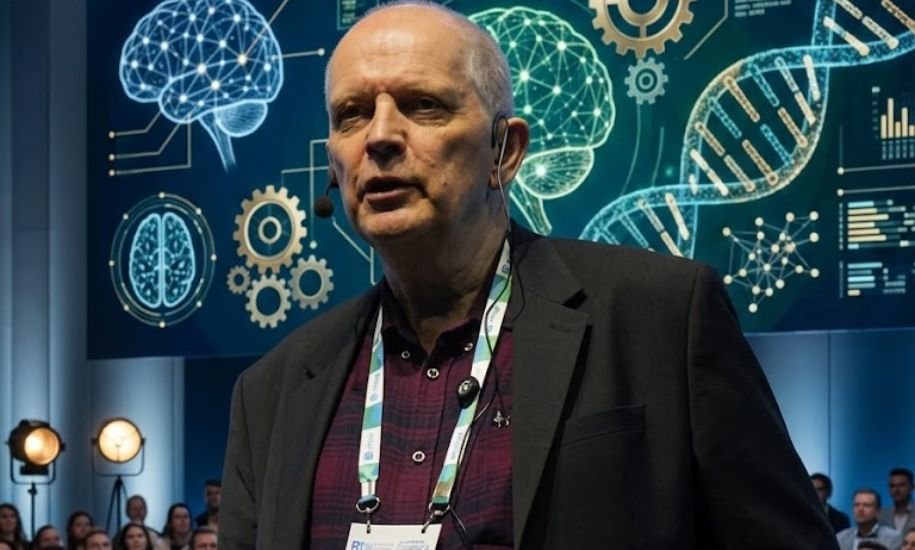
His career therefore represents more than the success of a biotechnology entrepreneur. It demonstrates how interdisciplinary thinking can produce tools that influence both laboratory research and the development of medical technologies.
Frequently Asked Questions About Stefan Miltenyi
1. Who is Stefan Miltenyi?
Stefan Miltenyi is a German physicist, inventor, and entrepreneur best known as the founder of Miltenyi Biotec and for his work in magnetic cell separation technology.
2. What is Stefan Miltenyi known for?
He is primarily known for developing MACS, or magnetic-activated cell sorting, a technology used to separate selected cell populations using magnetic particles and magnetic fields.
3. When did Stefan Miltenyi found Miltenyi Biotec?
He founded Miltenyi Biotec in 1989 in Bergisch Gladbach, Germany, building the company around the technology developed during his scientific work.
4. What does Miltenyi Biotec do?
Miltenyi Biotec develops technologies, instruments, reagents, and services used in biomedical research, cell analysis, and cellular therapy. Its activities extend from laboratory research to clinical and translational applications.
5. Is information about Stefan Miltenyi’s family publicly available?
Only limited reliable information about his private family life is publicly documented. His professional career and scientific contributions are much more extensively recorded than details about a spouse or children.
Conclusion
Stefan Miltenyi’s career illustrates how scientific curiosity can develop into a lasting technological and entrepreneurial achievement. From research at the University of Cologne to the founding and growth of Miltenyi Biotec, his work has remained closely connected to the practical challenges of understanding and manipulating cells. His contribution to magnetic cell separation helped establish a technology with applications across research and cellular medicine. For readers interested in scientists who turned laboratory innovation into a global biotechnology enterprise, his story offers a compelling example. At infovio, we aim to present clear, informative profiles that explain the people and ideas shaping science, technology, and modern industry.