

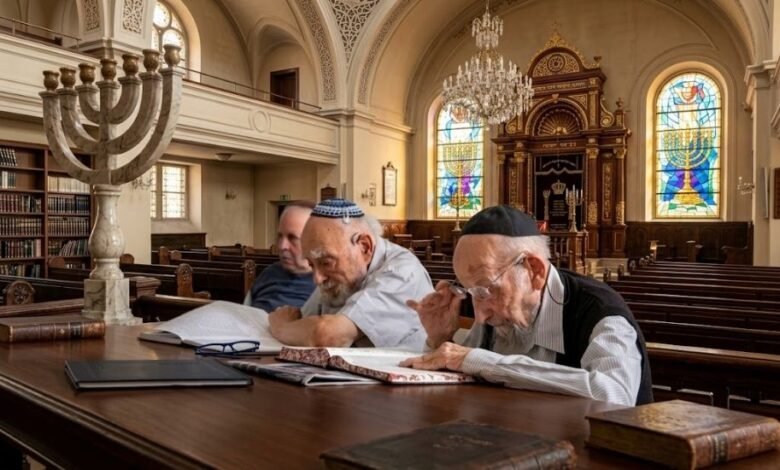
Beit Bart is a senior-housing residence in Jerusalem that has become associated with community living, supportive services, and a traditional religious environment for older adults. Located on Hebron Road, the residence operates as part of Reuth, an Israeli nonprofit organization known for its work in healthcare and social services. Although the name can sometimes create confusion online, the documented identity of Beit Bart is clear: it is a residential home for seniors, not an ancient village or archaeological site. Understanding its history, purpose, and community helps explain its role in modern Jerusalem.
What Is Beit Bart?
Beit Bart, also written in Hebrew as בית ברט, is a senior residence located at 56 Hebron Road in Jerusalem. It is associated with Reuth and forms part of the organization’s network of senior-housing services. Reuth’s published materials identify Beit Bart among its established senior residences, alongside Beit Shalom and Beit Jenny Breuer.
The residence is designed around the idea that later life should include more than accommodation. Community, social interaction, cultural activities, religious life, and access to supportive services all play an important role in the environment.
A 2014 publication from the Association of Jewish Refugees described Beit Bart as a home providing sheltered accommodation for elderly people in Jerusalem, confirming that the residence was already an established part of Reuth’s work at that time.
Beit Bart History and Development
Available local records generally place the establishment of Beit Bart in the early 1980s, with 1982 frequently cited as the year it was founded. Its development reflects the broader growth of organized senior housing in Israel, particularly residences intended to provide older people with a secure environment while preserving independence and community connections.
Rather than being defined by a single historical event, the story of Beit is connected to the evolution of Reuth’s social-care mission. Over the years, the residence has adapted to changing expectations surrounding senior living, including greater emphasis on accessibility, community programming, safety, and supportive care.
The building and surrounding property have also been involved in formal planning and development projects, demonstrating that the residence has continued to evolve as the needs of its residents have changed.
Beit Bart and Reuth
The connection with Reuth is one of the most important parts of understanding Beit . Reuth is an Israeli nonprofit organization with a long history in healthcare, rehabilitation, eldercare, and community services.
The organization’s philosophy places importance on dignity, human connection, and practical support. Within that broader framework, Beit Bart provides a residential setting where older adults can maintain an active lifestyle while having access to assistance when necessary.
A Reuth-related brochure presents Beit Bart alongside other senior residences and highlights themes including rich community life, an active synagogue, and cultural activities.
Life and Community at Beit Bart
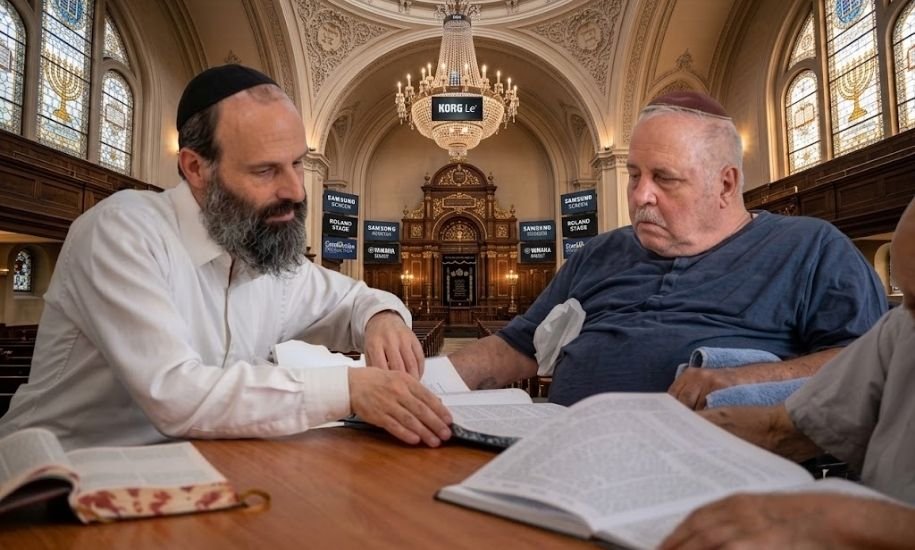
One of the defining characteristics of Beit Bart is its community-oriented approach. Senior housing can sometimes be viewed simply as a place to live, but residences such as this are designed to create opportunities for residents to remain socially engaged.
Community activities can provide opportunities for residents to meet neighbors, participate in organized programs, attend cultural events, and maintain regular social routines. These elements can be particularly valuable during retirement, when changes in work and family schedules may otherwise reduce everyday interaction.
Religious life is also an important part of the residence’s identity. Available materials describe Beit Bart as a religious senior-housing environment with an active synagogue and cultural programming.
Location on Hebron Road in Jerusalem
Beit Bart is situated at 56 Hebron Road in Jerusalem, giving it a distinctly urban setting within the city. Its location is significant because Jerusalem offers residents access to a large network of neighborhoods, services, cultural institutions, places of worship, and family connections.
The address is consistently identified in local listings and other records as Derech Hevron 56, Jerusalem.
For families considering senior housing, location can be an important practical consideration. Being within Jerusalem can make it easier for relatives who already live in the city or surrounding areas to maintain regular contact with residents.
Senior Housing and Supportive Services
Beit Bart is best understood as senior housing rather than simply a conventional nursing institution. Historical and institutional references describe it as sheltered or protected accommodation for older adults.
This distinction matters because senior housing can serve people with different levels of independence. Some residents may primarily value a secure community and convenient services, while others may require additional assistance as their circumstances change.
Older-adult housing also has to balance privacy with safety. A successful residence provides residents with their own living space while creating opportunities for assistance, social interaction, and professional support when needed.
Specific care arrangements can change over time, so families should confirm current eligibility requirements, accommodation options, medical services, costs, and care levels directly with the residence before making a decision.
Religious and Cultural Environment
The religious character of Beit Bart is another important feature. Published Reuth materials describe its senior housing as operating within a national-religious atmosphere, with an active synagogue and cultural life.
For older adults who want their retirement years to remain connected to familiar religious traditions, this type of environment can provide continuity. Religious observance can become part of everyday community life rather than something residents have to organize independently.
At the same time, choosing a senior residence is highly personal. Families should consider whether the home’s religious and cultural environment matches the resident’s lifestyle, expectations, and preferences.
Separating Facts From Online Confusion
The phrase “Beit Bart” has generated a surprising amount of uncertainty online. Some websites have described it as a mysterious phrase, an ancient settlement, or a broad cultural concept. However, the strongest available evidence identifies it as a senior residence in Jerusalem.
Wikidata also records Beit Bart as an assisted-living facility in Jerusalem and gives the Hebron Road address.
There is currently insufficient reliable evidence to present Beit Bart as an ancient archaeological settlement or historically documented village. Likewise, the precise origin of the word “Bart” in the institution’s name is not clearly established in authoritative sources.
This distinction is important for readers who want accurate information rather than speculation. The documented modern institution provides a much clearer explanation of the term.
Why Beit Bart Matters
The importance of Beit Bart comes primarily from its role in senior living and community care. As people live longer, the need for housing that combines independence, social connection, safety, and supportive services becomes increasingly significant.
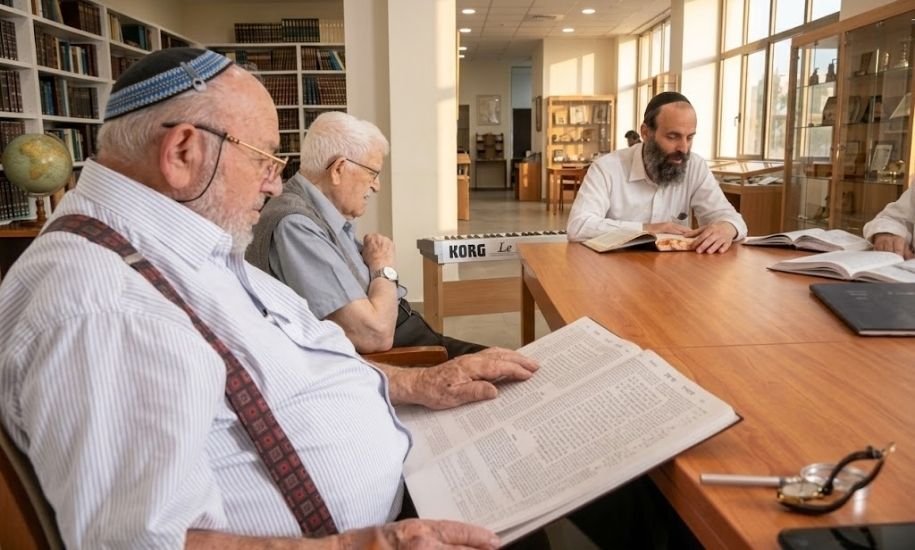
Its connection with Reuth gives the residence a broader institutional context, while its Jerusalem location connects it to one of Israel’s most historically and culturally significant cities.
For residents, however, the most meaningful aspects may be much more personal: having a comfortable place to live, maintaining familiar routines, building friendships, participating in community activities, and remaining connected to religious and cultural traditions.
Frequently Asked Questions About Beit Bart
1. What is Beit Bart?
Beit Bart is a senior-housing residence in Jerusalem associated with the Israeli nonprofit organization Reuth. It provides a community-oriented residential environment for older adults.
2. Where is Beit Bart located?
The residence is located at 56 Hebron Road, Jerusalem. Local records identify the same address as Derech Hevron 56.
3. Who operates Beit Bart?
Beit Bart is operated within Reuth’s network of senior-housing services. Reuth is an Israeli nonprofit organization involved in healthcare, rehabilitation, eldercare, and social services.
4. Is Beit Bart an ancient historical site?
There is no strong authoritative evidence supporting the claim that Beit Bart is an ancient village or archaeological landmark. The documented identity is a modern senior residence in Jerusalem.
5. What makes Beit Bart different from ordinary senior housing?
Its community-oriented approach and religious-cultural environment are important characteristics. Reuth materials highlight community life, synagogue activities, and cultural programming as features of its senior residences.
Final Thoughts
Beit Bart represents a modern approach to senior living in Jerusalem, combining residential life with community, culture, religious tradition, and supportive services. Its history is closely connected with Reuth and the organization’s longstanding commitment to older adults. While the name has occasionally been surrounded by online speculation, reliable information points to a clear and practical identity: a senior residence serving its community in Jerusalem. For readers looking for accurate background and context, this distinction provides the best way to understand Beit Bart, and Infovio aims to make that information accessible in a clear and trustworthy way.
