


The name Cani Rossi, meaning “red dogs” in Italian, carries a fascinating connection to literature, wildlife, and the enduring world of Rudyard Kipling’s jungle stories. In Kipling’s work, the red dogs are based on the dhole, a wild Asian canid known for its reddish coat, social behavior, speed, and coordinated hunting. Their appearance in The Second Jungle Book gives them a particularly memorable place in the mythology surrounding Mowgli and the Seeonee wolf pack. Rather than being ordinary domestic dogs, these animals represent a formidable force of nature—one that even the jungle’s strongest predators have reason to respect.
What Does Cani Rossi Mean?
The Italian expression cani rossi translates literally as “red dogs.” In discussions of Kipling and jungle literature, it generally refers to the dhole, also known as the Asiatic wild dog or red dog.
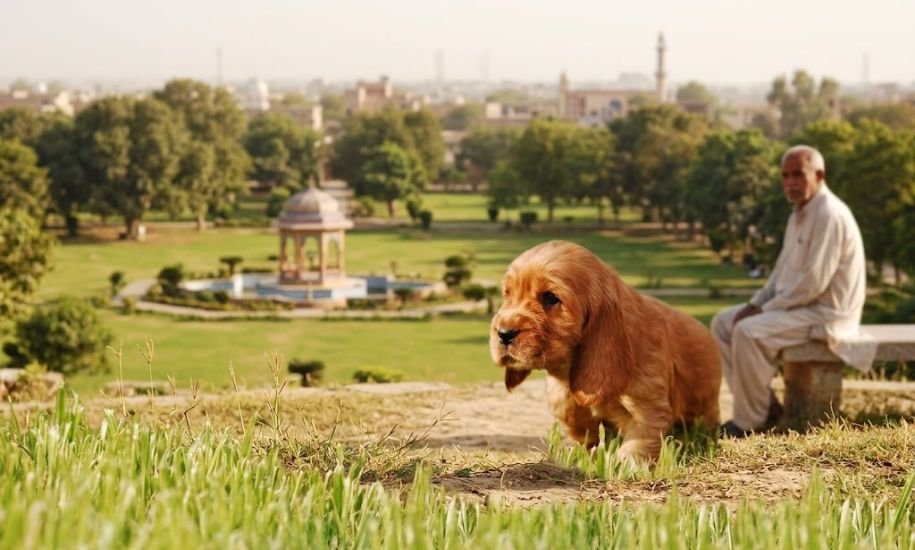
The dhole is a wild carnivorous mammal native to parts of Asia. Its reddish-brown coat helps distinguish it from many other wild canids. Unlike domestic dogs, dholes live in social groups and rely heavily on cooperation when moving, hunting, and defending themselves.
The phrase has therefore acquired two connected meanings. One is zoological, referring to the real animal. The other is literary, referring to the dangerous pack encountered by Mowgli and the wolves in Kipling’s story.
Cani Rossi in The Second Jungle Book
Rudyard Kipling introduced the red dogs in the story commonly known as “Red Dog,” included in The Second Jungle Book. The story was written in 1895 and was originally published under the title “Good Hunting: A Story of the Jungle” before appearing in the collection later that year.
The story takes place in the familiar jungle environment inhabited by Mowgli, Akela, Bagheera, Baloo, and the Seeonee wolf pack. A wounded wolf named Won-tolla arrives and warns the pack about the approaching dhole.
This creates a serious threat. The red dogs are portrayed as organized, aggressive, and extremely difficult to stop. Their arrival forces the jungle animals to confront a powerful invading group rather than a single predator.
The story is particularly important because it demonstrates that survival in Kipling’s jungle depends not only on individual strength but also on intelligence, planning, loyalty, and cooperation.
The Real Animal Behind the Red Dogs
The literary Cani Rossi are based on the dhole, scientifically known as Cuon alpinus. The species is a member of the canid family but differs significantly from familiar domestic dogs and wolves.
Dholes are highly social animals. They often live and hunt in groups, making cooperation one of their most important survival strategies. Their reddish coats are another distinctive feature, explaining why they have historically been described as red dogs.
Their reputation as formidable hunters has also contributed to their appearance in literature and folklore. Kipling transformed these real characteristics into a dramatic fictional threat, emphasizing the power of a coordinated pack.
Why the Dhole Was Such a Powerful Literary Symbol
Kipling’s portrayal of the red dogs works because it combines real animal behavior with dramatic storytelling.
A single dangerous predator can be confronted through individual courage. A coordinated pack presents a different challenge. The threat comes from numbers, movement, persistence, and collective action.
That idea fits naturally into the structure of The Jungle Book. Kipling frequently explores relationships between individuals and groups, as well as the rules that allow different animals to survive within the jungle.
The Cani Rossi therefore serve more than a simple villainous role. They represent an outside force capable of disturbing the established order of the jungle.
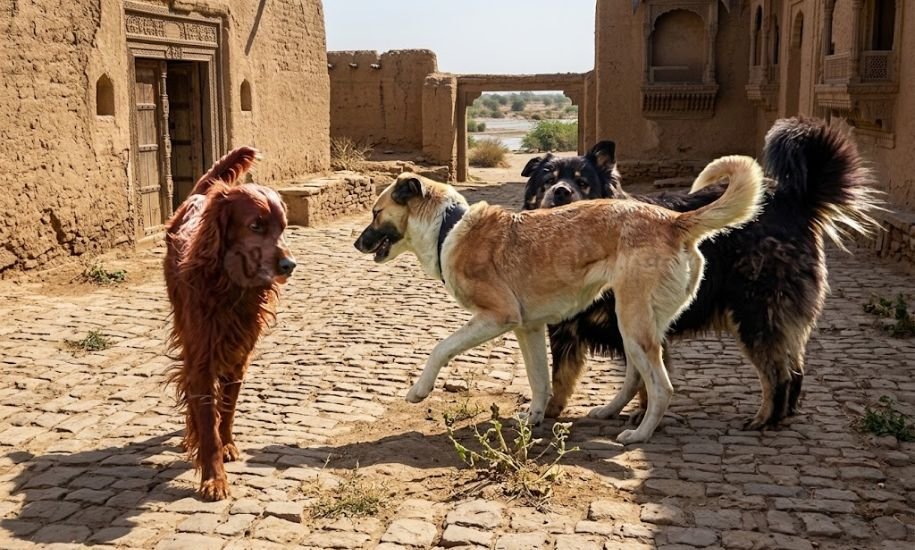
Mowgli and the Red Dog Conflict
Mowgli’s encounter with the red dogs is one of the more intense episodes in the jungle stories. The conflict involves the Seeonee wolves and the invading dholes, creating a situation in which preparation and teamwork become essential.
The story also highlights Mowgli’s unusual position. He is human, but he has grown up among animals and understands the jungle’s rules. His knowledge allows him to participate in a struggle that requires both physical courage and strategic thinking.
Won-tolla’s warning is equally significant. The wounded wolf understands the danger because he has already experienced the power of the invading pack. His arrival transforms the threat from rumor into an immediate reality.
Cani Rossi and the Theme of Survival
One reason the red dogs remain memorable is the way they reinforce one of Kipling’s central themes: survival depends on understanding the environment.
The jungle is not presented as a place where the strongest individual automatically wins. Animals must recognize danger, cooperate with others, protect their territory, and respond quickly to changing circumstances.
The red dogs embody this principle particularly well. Their strength comes from collective behavior. Their presence forces other characters to think beyond individual combat and consider the larger dynamics of the jungle.
Cani Rossi in Italian and Scout Culture
The expression has also continued to appear in Italian adaptations and Scout activities inspired by Kipling’s jungle stories. Italian Scout materials use the concept of the “Cani Rossi” in connection with jungle-themed activities and songs.
This connection demonstrates how Kipling’s animal characters have moved beyond the original books. The red dogs can appear in educational, theatrical, literary, and recreational contexts, particularly where the jungle setting is used to teach teamwork, courage, and responsibility.
Cani Rossi in Popular Italian Comics
The phrase also appears in the Italian comic series Tex. Sergio Bonelli Editore published Tex Classic No. 97, titled I Cani Rossi, in November 2020. The issue features a fictional tribe called the Cani Rossi and credits Gianluigi Bonelli as the writer, with artwork by Aurelio Galleppini and Francesco Gamba.
This is an important distinction because the phrase does not always refer to Kipling’s dhole. In different cultural contexts, “Cani Rossi” can describe fictional groups, stories, places, or animals.
Are Cani Rossi Real?
Yes and no, depending on the context.
If the term refers to the animal behind Kipling’s story, then it is connected to a real species: the dhole. The animal exists in the wild and has distinctive social and hunting behaviors.
However, the particular group of red dogs portrayed in The Second Jungle Book is fictional. Kipling used characteristics of the real dhole and incorporated them into a dramatic story involving Mowgli and the Seeonee wolves.

This distinction helps explain why descriptions of Cani Rossi can sometimes appear contradictory. Literary descriptions should not automatically be treated as scientific descriptions of the species.
Frequently Asked Questions About Cani Rossi
1. What does Cani Rossi mean?
“Cani Rossi” is Italian for “red dogs.” In the context of Kipling’s jungle stories, the expression refers to the red dogs or dholes.
2. What are Cani Rossi in The Jungle Book?
They are the dangerous red-dog pack featured in the story “Red Dog” from The Second Jungle Book. They threaten the Seeonee wolf pack and become involved in a major jungle conflict.
3. Are Cani Rossi the same as wolves?
No. The real animals associated with the term are dholes, a distinct species of wild canid. Although they share some social characteristics with wolves, they are not wolves.
4. When did Rudyard Kipling write the Red Dog story?
Kipling wrote the story in 1895. It was initially published as “Good Hunting: A Story of the Jungle” and later appeared as part of The Second Jungle Book.
5. Why are the red dogs important in Kipling’s story?
They create one of the major threats faced by Mowgli and the Seeonee wolf pack. More importantly, they highlight themes of teamwork, strategy, courage, and survival.
Final Thoughts
Cani Rossi is a fascinating term because it connects language, wildlife, and classic literature. The expression can point toward the real dhole, Kipling’s fictional red dogs, or later cultural adaptations such as Italian Scout traditions and comics. At the heart of the original story, however, the red dogs remain a powerful symbol of nature’s collective strength. Their role in Mowgli’s world shows why Kipling’s jungle stories have remained influential for generations. For readers exploring literary characters, wildlife-inspired storytelling, and unusual cultural references, infovio offers a useful place to discover more engaging background stories and explanations.
