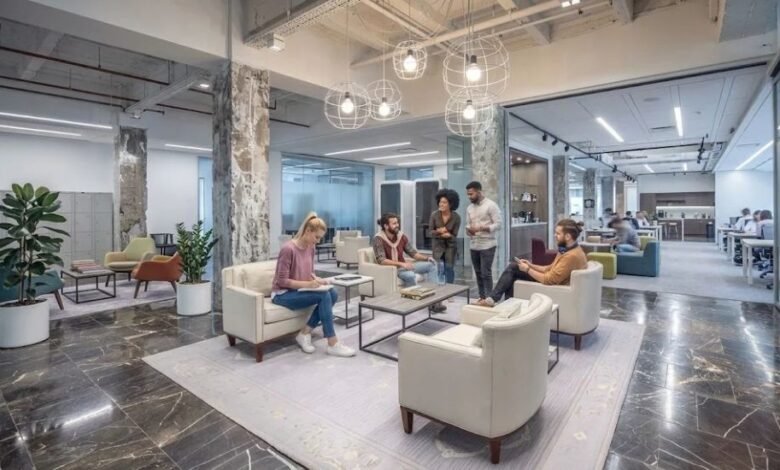
A corporate office plays an important role in how a business operates, manages its employees, serves customers, and achieves long-term goals. It provides a central location where leadership teams make decisions, departments collaborate, and daily business activities are coordinated. From small companies with a single administrative office to multinational corporations with headquarters in several countries, these workplaces support organizational growth and professional communication.
Modern workplaces have evolved beyond traditional desks and meeting rooms. Today’s offices often combine technology, flexible workspaces, collaborative environments, and employee-focused facilities to improve productivity. Understanding how these spaces function can help business owners, managers, and professionals make better decisions about office planning, workplace culture, and operational efficiency.
What Is a Corporate Office?
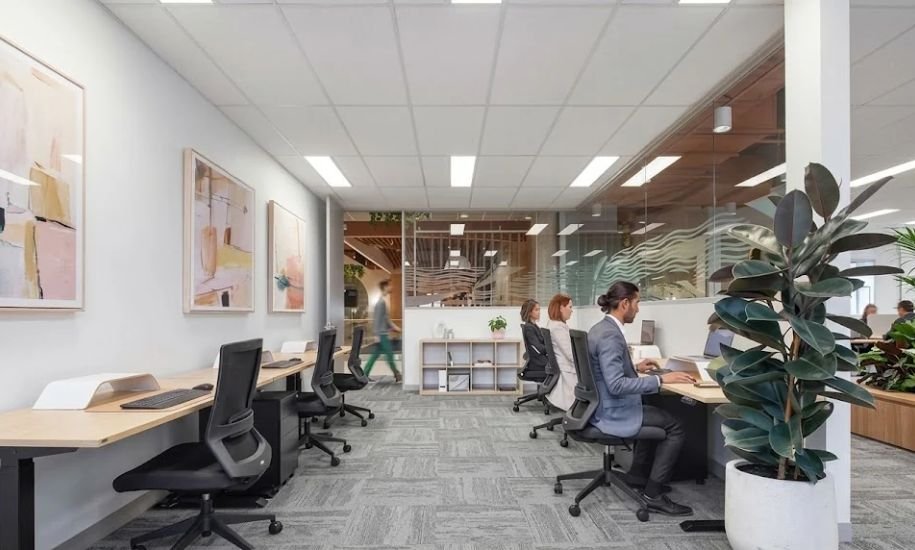
A corporate office is a professional workplace used to manage, coordinate, and oversee a company’s business activities. It may serve as the organization’s headquarters or as a regional center responsible for operations within a particular area.
Unlike a retail store, factory, or warehouse, which focuses on selling products or producing and storing goods, a corporate workplace typically handles administrative, managerial, financial, strategic, and communication-related responsibilities.
Depending on the organization’s size, it may accommodate executives, human resources professionals, accountants, marketing specialists, legal teams, IT staff, and administrative employees.
Some businesses operate from one central location, while others maintain multiple offices across different cities or countries. The structure depends on the company’s industry, workforce, budget, and operational requirements.
Main Functions of a Corporate Workplace
A well-organized office supports several essential business functions. Although responsibilities differ between organizations, most corporate environments share a few common activities.
Management and Decision-Making
One of the primary responsibilities of a central office is to support business leadership. Executives and department managers review performance, establish objectives, allocate resources,corporate and develop strategies for future growth.
Having decision-makers work within a coordinated environment can improve communication and help departments understand the company’s priorities.
Human Resources and Employee Management
Human resources teams manage recruitment, onboarding, employee development, workplace policies, and performance reviews. They also help maintain a professional working environment and address employee concerns.
A dedicated HR department can make these processes more consistent while ensuring that employees understand their responsibilities and available benefits.
Financial and Administrative Operations
Finance and administration teams oversee budgets, expenses, payroll coordination, financial reporting, recordkeeping, and other essential business processes.
Accurate documentation and organized financial management allow leadership to evaluate business performance and make informed decisions.
Communication and Collaboration
Corporate teams frequently work together on projects, client requirements, product development, and operational improvements. Meeting rooms, shared workspaces, video conferencing facilities, and internal communication systems support these activities.
Effective collaboration reduces misunderstandings and helps employees coordinate their work more efficiently.corporate
Different Types of Corporate Offices
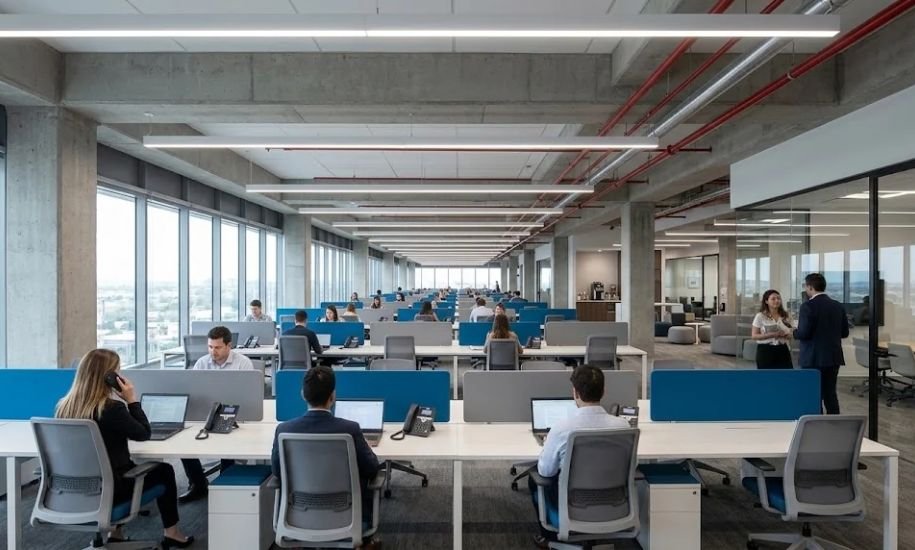
Not every business needs the same workplace arrangement. Companies choose office structures according to their operational needs and available resources.
Corporate Headquarters
Headquarters serve as the main administrative center of an organization. Senior executives and major departments may operate from this location, overseeing company-wide policies, financial planning, and strategic decisions.
Large organizations may establish headquarters in major commercial cities to access talent, transportation, business services, and professional networks.
Regional Offices
Regional offices manage activities within a particular geographic area. They may supervise local employees, support customers, coordinate sales operations, and implement company strategies at the regional level.
This structure helps large businesses remain connected to local markets without requiring every decision to come from headquarters.
Administrative Offices
Administrative offices focus on everyday business activities, including documentation, scheduling, employee coordination, accounting support, and general office management.
These workplaces are particularly important for organizations that require reliable internal processes and centralized recordkeeping.
Remote and Hybrid Workplaces
Many businesses now combine traditional office facilities with remote work arrangements. Employees may work from home on certain days while attending in-person meetings when necessary.
Hybrid models can provide greater flexibility, but they require clear communication policies, appropriate technology, and effective management practices.
Essential Features of a Modern Office
An effective workplace should support both business performance and employee well-being. Several features can make a significant difference.
Functional Layout and Comfortable Furniture
A thoughtful office layout provides sufficient space for individual work, team discussions, confidential meetings, and informal collaboration.
Comfortable chairs, adjustable desks, suitable lighting, and well-designed workstations can improve the employee experience. Good ventilation and reasonable noise levels also contribute to a more productive environment.
Reliable Technology
Modern businesses depend on computers, secure networks, cloud-based applications, video conferencing platforms, and digital document management systems.
Reliable technology allows employees to access information, communicate with colleagues, and complete tasks efficiently. Companies should also maintain appropriate cybersecurity measures to protect confidential information.
Meeting and Collaboration Areas
Conference rooms and smaller discussion spaces allow teams to brainstorm ideas, review projects, meet clients, and make important decisions.
Businesses with hybrid employees may also need high-quality cameras, microphones, and displays to ensure that remote participants can contribute effectively.
Employee Amenities
Break rooms, kitchen facilities, comfortable seating areas, and accessible restrooms help create a more welcoming workplace.
Depending on the organization, additional amenities may include wellness rooms, fitness facilities, or quiet spaces for focused work.
Benefits of Having a Dedicated Business Office
A professional workplace can offer several advantages when it aligns with the organization’s needs.
Improved coordination: Employees can communicate directly, resolve issues, and collaborate on shared projects.
Professional image: A suitable office environment can help establish credibility during client meetings, recruitment activities, and business negotiations.
Stronger workplace culture: Shared spaces provide opportunities for mentoring, relationship-building, and informal knowledge exchange.
Better operational control: Centralized facilities can simplify equipment management, document handling, administrative supervision, and internal processes.
Support for business growth: An appropriately planned workplace can accommodate additional employees, new departments, and changing operational requirements.
However, maintaining physical office space also involves rent, utilities, equipment, maintenance, and other expenses. Businesses should evaluate these costs against the practical benefits before committing to a particular location or layout.
How to Choose the Right Office Location
Location can influence employee commuting, client accessibility, operating costs, and business development opportunities.
Companies should consider proximity to public transportation, parking availability, nearby services, internet infrastructure, and access to suitable employees.
The total cost of occupancy is equally important. Rent is only one component; utilities, security, insurance, maintenance, furniture, and technology can substantially increase the overall expense.
Businesses should also consider future expansion. An office that meets current requirements may become unsuitable if the workforce grows significantly.
Finally, safety, accessibility, and compliance with applicable building regulations should remain priorities throughout the selection process.
Corporate Office Design Trends
Workplace design continues to change as businesses reconsider how employees use physical spaces.
Flexible layouts allow organizations to accommodate different activities without assigning every area a single permanent purpose. Shared desks, collaborative zones, private meeting rooms, and quiet workspaces can support employees with different working styles.
Sustainability is another important consideration. Energy-efficient lighting, improved insulation, efficient heating and cooling systems, and responsible material choices can help reduce environmental impact and operating expenses.
Technology-enabled offices are also becoming increasingly practical. Digital room-booking systems, smart access controls, and integrated conferencing equipment can simplify everyday activities.
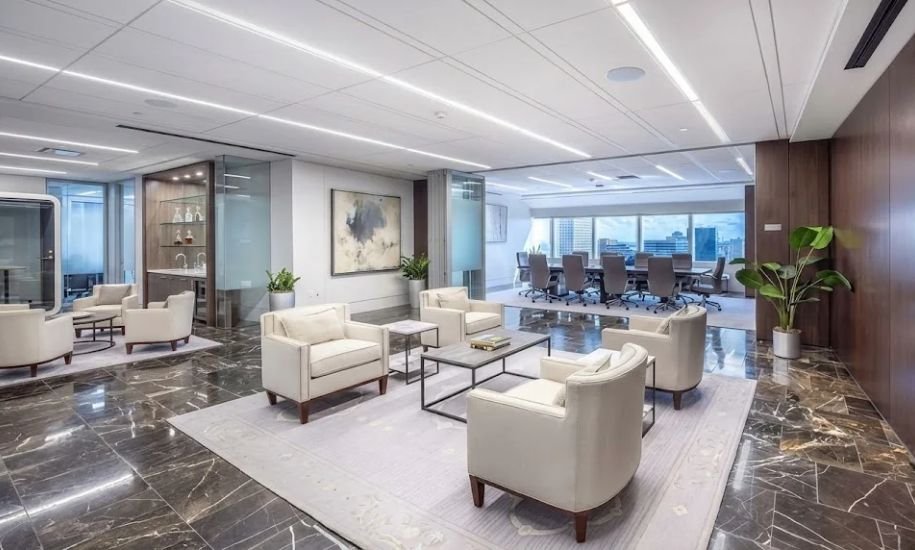
At the same time, businesses are recognizing the importance of employee comfort. Natural light, ergonomic furniture, accessible facilities, and spaces designed for concentration can contribute to a healthier and more supportive working environment.
Challenges of Managing a Corporate Office
Despite its advantages, managing an office requires careful planning.
High operating costs can place pressure on budgets, particularly for small businesses. Poor space utilization may result in unused meeting rooms, overcrowded departments, or inefficient layouts.
Communication can also become difficult when teams work across multiple locations or follow different schedules. Managers should establish clear expectations, use appropriate collaboration tools, and ensure that employees can access the information they need.
Security is another significant concern. Organizations must protect physical premises, digital systems, employee records, and confidential business information.
Regular maintenance, employee feedback, effective space planning, and periodic reviews can help businesses address these challenges before they affect productivity.
Frequently Asked Questions (FAQs)
1. What is the main purpose of a corporate office?
Its main purpose is to coordinate business operations, support management, facilitate communication, and provide a professional environment for administrative and strategic activities.
2. What is the difference between a corporate office and a headquarters?
A headquarters is the principal location where an organization typically manages its overall strategy and leadership. A corporate office is a broader term that can describe headquarters or another professional office used for business administration and management.
3. What departments are commonly found in a corporate office?
Common departments include human resources, finance, marketing, sales, information technology, legal services, administration, and executive management. The exact structure depends on the organization’s size and industry.
4. How can a company make its office more productive?
Businesses can improve productivity by providing reliable technology, comfortable furniture, suitable lighting, organized workspaces, effective communication systems, and areas for both collaboration and focused work.
5. Is a physical office necessary for every business?
No. Some companies operate entirely remotely, while others benefit from physical offices for teamwork, client meetings, specialized equipment, or employee training. The right approach depends on the company’s operations and workforce.
Final Thoughts
A well-planned corporate workplace can support effective management, improve collaboration, strengthen professional relationships, and provide the infrastructure needed for sustainable business growth. However, its success depends on more than an attractive interior or prestigious location. Technology, employee comfort, operational efficiency, security, and cost management are equally important.
Businesses should evaluate their specific requirements before choosing an office arrangement, whether that means maintaining a traditional headquarters, opening regional facilities, or adopting a hybrid model. As workplace expectations continue to evolve, organizations that balance practical needs with employee well-being will be better positioned to create productive and adaptable working environments.
At infovio, our goal is to provide practical information that helps readers understand business concepts, workplace strategies, and professional environments. Learning how modern offices function can help business owners, managers, and employees make more informed decisions about the future of work.