Jack Benny: The Life, Career, Comedy, and Legacy of an American Entertainment Icon

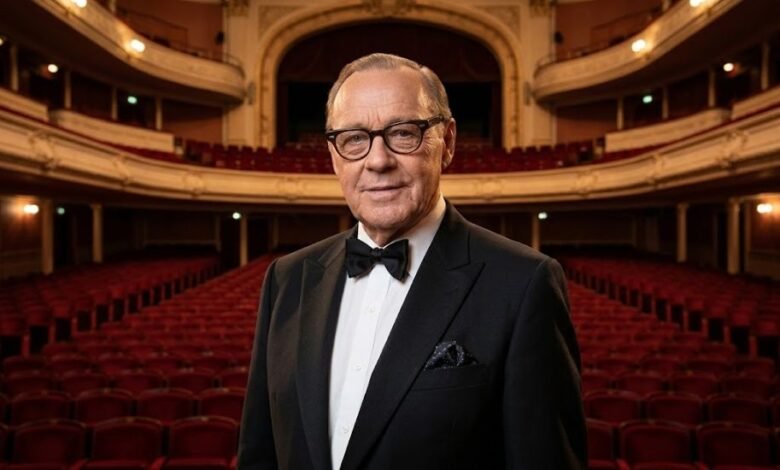
Jack Benny was one of the defining entertainers of 20th-century American popular culture. Born Benjamin Kubelsky in 1894, he built an extraordinary career across vaudeville, radio, film, and television. His carefully crafted image as a vain, miserly, perpetually 39-year-old comedian became one of the most recognizable comic personas in American entertainment. Yet behind the fictional character was a skilled violinist, businessman, performer, and influential broadcaster whose approach to comedy helped shape the modern sitcom.
Quick Bio
| Detail | Information |
|---|---|
| Full Name | Benjamin Kubelsky |
| Stage Name | Jack Benny |
| Born | February 14, 1894 |
| Birthplace | Chicago, Illinois, U.S. |
| Raised In | Waukegan, Illinois |
| Profession | Comedian, actor, vaudevillian, radio and television entertainer, violinist |
| Spouse | Mary Livingstone |
| Child | Joan Benny |
| Died | December 26, 1974 |
| Known For | The Jack Benny Program |
| Years Active | 1911–1974 |
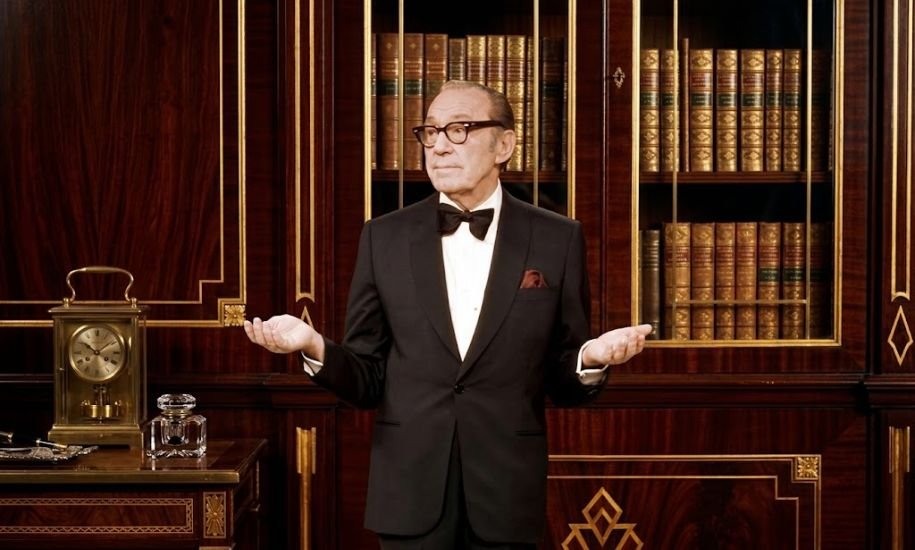
Early Life and the Road to Vaudeville
Jack Benny was born Benjamin Kubelsky and grew up in Waukegan, Illinois. His parents encouraged his musical abilities, and the violin became an important part of his early life. He eventually began performing professionally while still young, entering the world of vaudeville at a time when live variety entertainment dominated American stages.
Ironically, Benny’s violin became both a genuine musical skill and one of his greatest comedy devices. Although audiences often laughed at his deliberately exaggerated “bad” playing, he was actually a capable violinist. He learned that his personality, timing, and interaction with an audience could produce bigger laughs than simply demonstrating musical ability.
His experiences in vaudeville helped him develop the relaxed delivery and understated reactions that later became central to his radio and television work.
Jack Benny’s Breakthrough in Comedy
Benny’s career changed dramatically when he began developing a distinctive comic personality rather than relying solely on conventional jokes. His fictional version of himself was nervous, vain, cheap with money, sensitive about his appearance, and determined to insist that he was only 39 years old.
The character was deliberately different from the typical loud, aggressive comedian. Benny often allowed a joke to develop slowly, using silence, facial expressions, pauses, and reactions as important parts of the performance. The result was comedy that depended as much on timing as on dialogue. The Television Academy notes that his ability to create laughter through pauses and expressions became one of his defining characteristics.
That approach proved particularly effective when radio became America’s dominant form of home entertainment.
The Jack Benny Program and Radio Stardom
Benny’s radio career became the centerpiece of his fame. After early appearances on radio, he established a regular program in the early 1930s and quickly became one of the medium’s leading entertainers. His broadcasts continued for decades and helped demonstrate how a radio comedy program could function almost like an ongoing fictional world.
Instead of making every episode simply a collection of unrelated jokes, Benny surrounded himself with recurring performers and characters. Mary Livingstone, Eddie Anderson as Rochester, Don Wilson, Phil Harris, and Dennis Day became important parts of the show’s comic identity. Smithsonian research describes Benny as a pioneer in combining performer, producer, writer, and showrunner responsibilities.
This ensemble approach was important because the humor often came from relationships. Benny could play the pompous boss, the embarrassed celebrity, the penny-pincher, or the victim of another character’s joke depending on the situation.
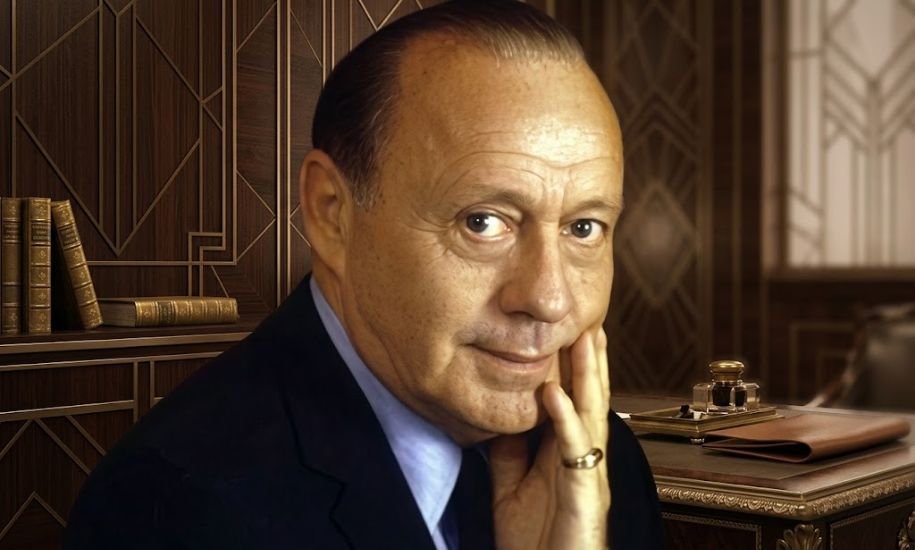
Mary Livingstone and Jack Benny’s Family Life
Mary Livingstone, born Sadie Marks, was not simply Benny’s wife; she became an important part of his professional world. The two married in 1927, and she eventually became a regular performer on his radio program under the name Mary Livingstone.
Their professional relationship was unusual for its time. Livingstone’s character frequently challenged or teased Benny, helping create the conversational style that became a signature feature of the program.
The couple had one child, Joan Benny, who later became involved in preserving and documenting her father’s legacy. Benny’s family life was considerably different from the exaggerated personality audiences heard on radio. The miserly character was a performance device rather than a literal representation of the man himself.
Rochester and the Supporting Cast
One of the most memorable figures associated with the program was Rochester, played by Eddie Anderson. Rochester served as Benny’s valet and became one of the most recognizable characters in American radio comedy.
The relationship between Benny and Anderson was an important part of the program’s success, although the Rochester character also reflected racial stereotypes common in American entertainment of the era. Modern discussions of Benny’s work therefore consider both the character’s historical importance and the limitations of the period’s entertainment conventions. Smithsonian scholarship specifically examines Rochester, race, and the changing social context surrounding Benny’s programs.
The strength of Benny’s ensemble was that performers could challenge his character rather than simply support him. In many scenes, the joke was ultimately at Benny’s expense.
Jack Benny in Film and Television
Although radio provided Benny with his greatest platform, he also appeared in numerous films. His movie career included productions such as Broadway Melody of 1936, George Washington Slept Here, Charley’s Aunt, and To Be or Not to Be.
His greatest long-term success, however, came when television emerged as a major entertainment medium. Benny successfully transferred his established persona to television, proving that a performer whose fame had been built primarily through radio could adapt to a visual format.
His television work continued for years, with his characteristic pauses, expressions, violin routines, and self-deprecating humor remaining central to his appeal. His radio and television programs collectively influenced the development of the sitcom format.
Why His Comedy Still Matters
What made Benny unusual was his understanding that a comedian did not always need to be the smartest or loudest person in the room. His character could be foolish, insecure, or self-important while the surrounding cast exposed those weaknesses.
His famous fictional obsession with being 39 became increasingly funny as the real performer aged. The joke worked because audiences understood that Benny was knowingly playing a character.
His influence also extended beyond individual jokes. The combination of a recurring cast, fictionalized versions of real personalities, domestic situations, running jokes, and carefully controlled comic timing helped establish techniques that later became standard in television comedy.
Jack Benny’s Legacy
Jack Benny died on December 26, 1974, at the age of 80. His career had lasted more than six decades, spanning several major changes in American entertainment. He had moved from vaudeville stages to radio studios, Hollywood films, and television screens without losing the central comic identity that made him famous.
His achievements continued to be recognized after his death. Benny was inducted into the Television Academy Hall of Fame in 1988 and the Radio Hall of Fame in 1989.
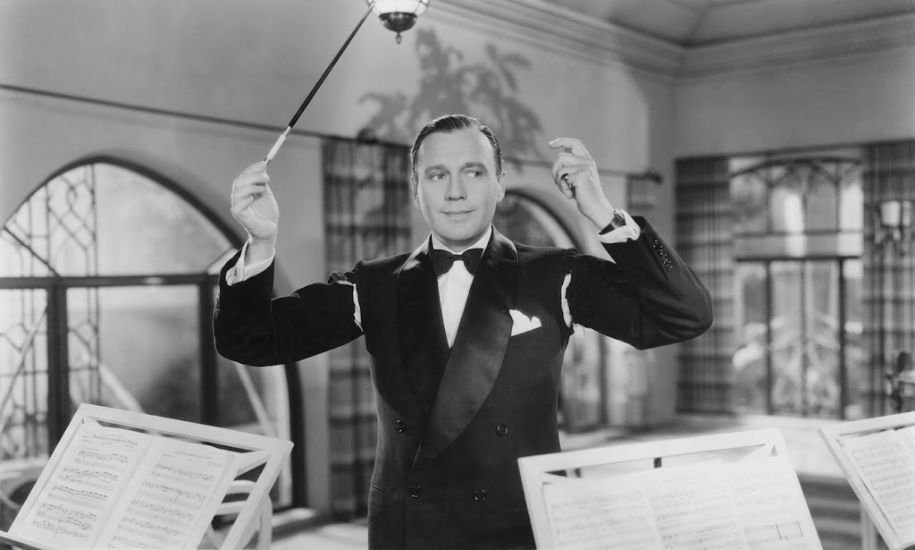
Perhaps his greatest achievement was demonstrating how much could be accomplished with restraint. Instead of depending on constant punchlines, he could turn a pause, glance, hesitation, or reaction into a memorable comic moment. That sense of timing became a model for generations of comedians.
Frequently Asked Questions About Jack Benny
1. What was Jack Benny’s real name?
His birth name was Benjamin Kubelsky. He adopted the professional name Jack Benny as his entertainment career developed.
2. Was Jack Benny really a bad violinist?
No. Benny was actually a capable violinist. His intentionally awkward violin performances became part of his comic persona and were a recurring joke throughout his career.
3. Who was Jack Benny’s wife?
His wife was Mary Livingstone, whose real name was Sadie Marks. She became a major performer on his radio and television programs and was an important part of his professional life.
4. Did Jack Benny have children?
Yes. Jack Benny and Mary Livingstone had one daughter, Joan Benny.
5. Why did Jack Benny always say he was 39?
The claim that he was permanently 39 was one of his best-known running jokes. It became increasingly humorous because he continued using the same fictional age as the decades passed.
Final Thoughts
Jack Benny’s career demonstrates how a carefully developed comic personality can survive dramatic changes in entertainment technology and audience tastes. From vaudeville and radio to film and television, he remained recognizable while continually adapting his performance. His influence on ensemble comedy, sitcom structure, and understated comic timing remains an important part of American entertainment history. For readers exploring classic entertainers and cultural history, infovio offers a place to discover more stories about the personalities who helped shape modern popular culture.