

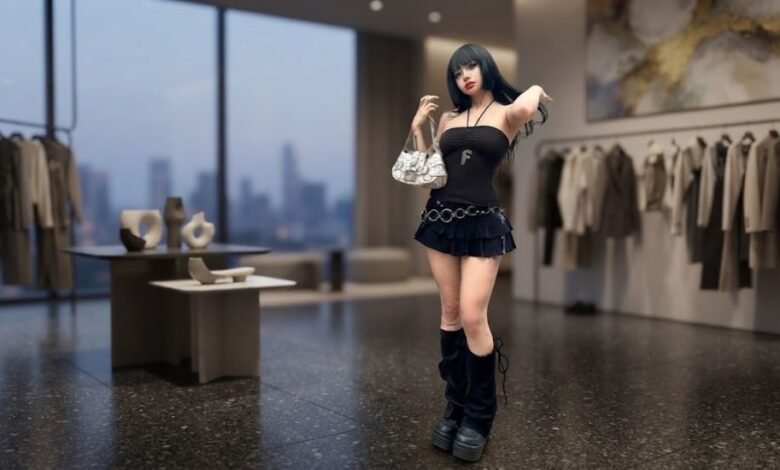
Acubi is a fashion aesthetic built around understated styling, muted colors, layered silhouettes, and a carefully balanced mix of contemporary minimalism and early-2000s influences. Rather than relying on loud logos or heavily decorated outfits, the style focuses on creating an effortless appearance through proportions, textures, and thoughtful layering. Its appeal comes from the way simple wardrobe pieces can be combined to create an outfit that feels modern, relaxed, and distinctive.
What Is Acubi Fashion?
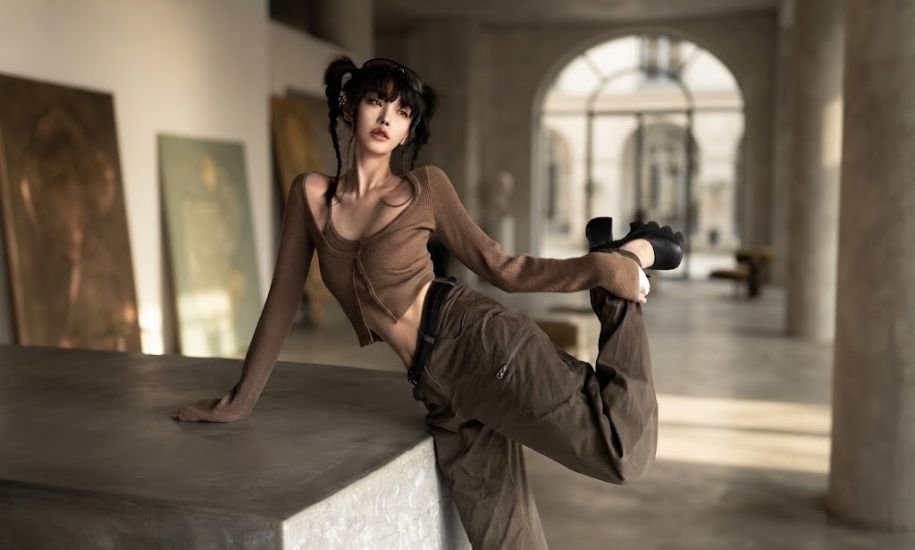
Acubi fashion is an aesthetic associated with clean lines, neutral tones, fitted basics, oversized garments, and subtle Y2K-inspired details. It sits somewhere between minimalist streetwear and experimental casual fashion.
Typical outfits may include a cropped top paired with low-rise pants, an oversized jacket layered over a fitted shirt, or a simple skirt styled with unconventional accessories. The goal is usually to create contrast without making the outfit look overly complicated.
One of the defining characteristics is the combination of opposing shapes. A loose top might be balanced with a fitted bottom, while an oversized outer layer can be worn over a compact silhouette. This approach gives the clothing a relaxed but intentional appearance.
The Origins and Influence Behind the Aesthetic
The aesthetic draws influence from several fashion movements rather than coming from one single historical style.acubi Korean street fashion, contemporary minimalism, Y2K clothing, and alternative styling all contribute to its recognizable appearance.
The Y2K influence can be seen in details such as low-rise bottoms, fitted tops, cropped silhouettes, and small shoulder bags. However, the overall presentation is generally more restrained than traditional Y2K fashion.
Korean fashion has also played an important role in shaping the aesthetic. Layering, neutral color palettes, oversized pieces, and carefully coordinated proportions are common elements in contemporary Korean-inspired outfits.
Key Elements of an Acubi Outfit
A successful outfit usually depends less on individual statement pieces and more on how different items work together.
Neutral colors: Black, gray, cream, white, brown, and muted shades are frequently used. These colors make layering easier and help create a cohesive wardrobe.
Layering: Multiple lightweight pieces can be combined to add depth. A tank top might be worn under a sheer shirt, while a jacket or oversized cardigan completes the look.
Fitted and oversized contrasts: Mixing different proportions is one of the easiest ways to capture the aesthetic. A fitted crop top can work well with wide-leg pants, for example.
Minimal accessories: Accessories are generally selected to complement the outfit rather than dominate it. Small bags,acubi understated jewelry, sunglasses, and simple belts can work particularly well.
Y2K details: Low-rise silhouettes, baby tees, cropped garments, and compact handbags can introduce a nostalgic element without turning the entire outfit into a costume.
How to Build the Look With Everyday Clothes
You do not need an entirely new wardrobe to experiment with this aesthetic. Many of its most recognizable pieces are everyday basics.
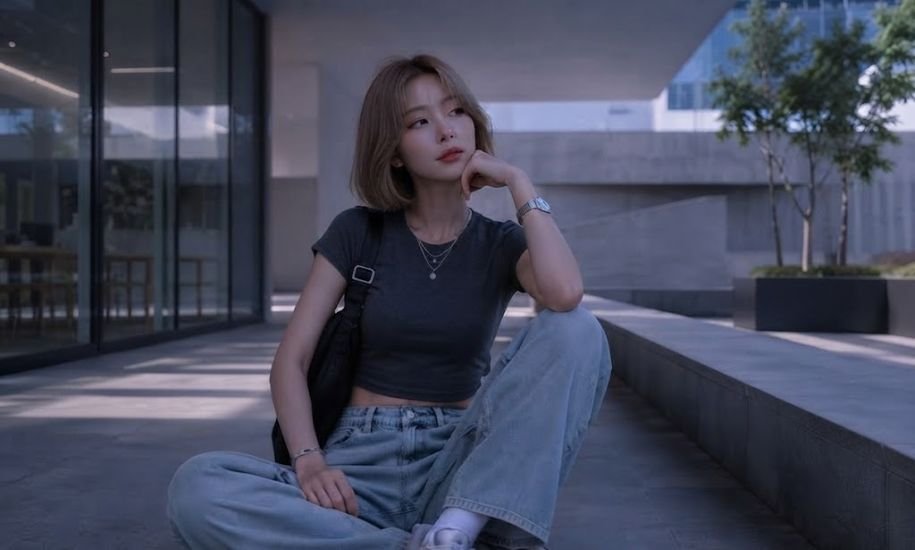
Start with a simple foundation such as a fitted tank top, baby tee, long-sleeve shirt, or cropped sweater. Add wide-leg trousers, cargo pants, a long skirt, or relaxed denim for contrast.
The next step is layering. A lightweight cardigan, oversized button-down, zip-up jacket, or loose blazer can immediately make a basic combination feel more styled.
Footwear can remain relatively simple. Sneakers, platform shoes, boots, or ballet flats can all work depending on the rest of the outfit. The important factor is maintaining balance between the different pieces.
Acubi and the Y2K Connection
Although the two aesthetics overlap, they are not identical. Traditional Y2K fashion often emphasizes metallic fabrics, bright colors, rhinestones, tiny accessories, and highly recognizable references to late-1990s and early-2000s pop culture.
Acubi takes selected elements from that era and combines them with a more subdued modern wardrobe. Instead of building an outfit entirely around nostalgia, it uses Y2K-inspired pieces as accents.
For example, a low-rise pair of jeans can become part of a contemporary outfit when paired with a simple neutral top and oversized jacket. Similarly, a small shoulder bag can provide a Y2K reference without overwhelming the rest of the look.
Color Palettes and Fabrics
Color plays an important role in keeping the aesthetic cohesive. Black and white provide a classic foundation, while gray, beige, brown, charcoal, and muted blue can add variety.
Texture is equally useful. Denim, cotton, knitwear, leather-like materials, mesh, and lightweight jersey can be layered to create visual interest.
Rather than choosing several bold colors at once, it is often more effective to combine different textures within a restrained palette. This creates an outfit that feels sophisticated without becoming visually busy.
Acubi for Different Seasons
The style can easily be adapted throughout the year.
During spring, lightweight tops, cropped cardigans, relaxed trousers, and skirts can create comfortable layered outfits. Summer allows the aesthetic to become simpler, with tank tops, fitted tees, lightweight skirts, and loose pants taking center stage.
For fall, oversized jackets, knitwear, long sleeves, and boots provide additional layers. Winter outfits can incorporate long coats, sweaters, scarves, and heavier trousers while maintaining the same balance of fitted and oversized proportions.
The flexibility of the aesthetic is one reason it works well as an everyday style rather than only as a fashion trend.
How to Make the Style Feel Personal
The most effective approach is not to copy a complete outfit exactly. Instead, identify the elements that suit your personality and existing wardrobe.
Someone who prefers a classic look might focus on neutral colors and simple silhouettes. Another person could incorporate more alternative details, such as mesh layers, statement shoes, or unusual proportions.
Accessories can also change the character of an outfit. A structured handbag creates a different impression from a casual shoulder bag, while jewelry can make a minimalist combination feel more polished.
Ultimately, the aesthetic works best when it looks natural rather than overly constructed.
Common Styling Mistakes to Avoid
One common mistake is adding too many trend-focused pieces at once. When every item has a strong Y2K or alternative reference, the outfit can lose the understated quality that makes the aesthetic distinctive.
Another issue is ignoring proportions. Oversized clothing from head to toe can sometimes appear shapeless, while combining only fitted pieces may remove the relaxed quality. Introducing contrast usually produces a more balanced result.
Finally, accessories should support the outfit rather than compete with it. A few carefully selected details are often more effective than wearing several statement accessories simultaneously.
Why This Aesthetic Works as Everyday Fashion
The biggest strength of Acubi-inspired dressing is its versatility. Basic pieces can be rearranged into numerous combinations, making the approach practical for people who want stylish outfits without depending on elaborate clothing.
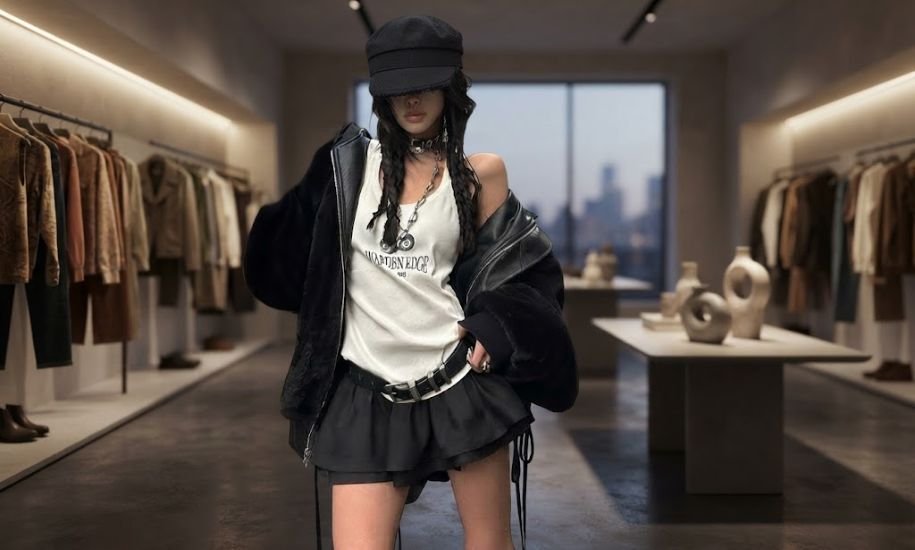
It also allows personal experimentation. The same pair of trousers can look completely different when combined with a fitted top, oversized shirt, cropped jacket, or layered knit.
Rather than following a strict uniform, the aesthetic provides a framework based on proportion, layering, neutral colors, and subtle nostalgic references.
Frequently Asked Questions
1. What does Acubi mean in fashion?
It refers to a contemporary fashion aesthetic characterized by minimalist styling, muted colors, layered clothing, contrasting proportions, and selected Y2K-inspired elements.
2. Is Acubi the same as Y2K fashion?
No. The two styles share certain elements, including cropped tops and low-rise silhouettes, but Acubi generally presents those influences through a more muted and minimalist approach.
3. What colors are commonly used?
Black, white, gray, cream, beige, brown, and other muted shades are common choices. These colors make layering and outfit coordination easier.
4. Can Acubi-inspired outfits be worn casually?
Yes. The aesthetic works particularly well for everyday outfits because it relies heavily on practical basics such as jeans, trousers, tops, cardigans, jackets, and sneakers.
5. How can someone start dressing in this style?
Begin with neutral basics and experiment with contrasting proportions. Try pairing fitted tops with relaxed bottoms, add one or two layers, and introduce subtle Y2K-inspired accessories rather than changing your entire wardrobe at once.
Final Thoughts
Acubi offers a flexible approach to contemporary dressing by combining minimalist foundations with relaxed proportions, layered styling, and carefully selected Y2K influences. Its strength lies in simplicity: ordinary wardrobe pieces can become distinctive when their shapes, textures, and layers are thoughtfully combined.infovio Whether used as a complete aesthetic or simply as inspiration for everyday outfits, it provides plenty of room for individual interpretation.
