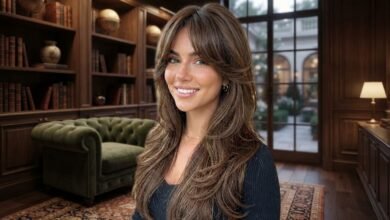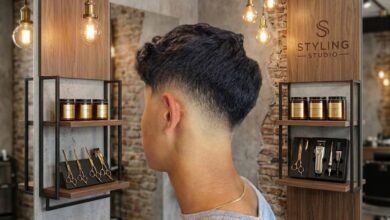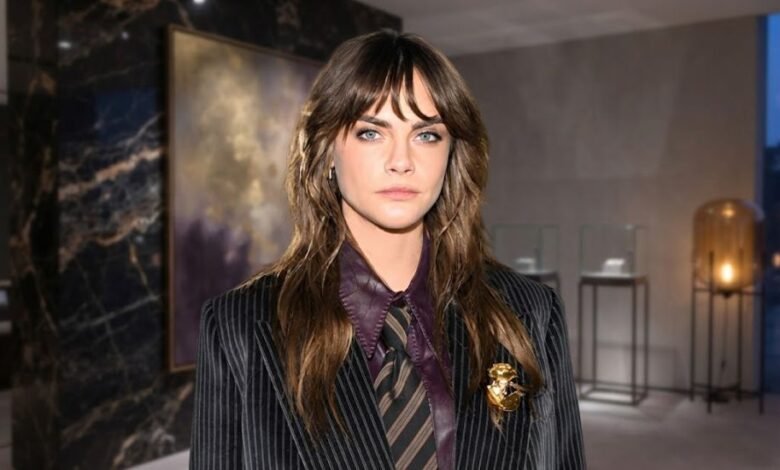
The wolf cut haircut has become one of the most recognizable modern layered hairstyles, combining the volume of a shag with the shape and movement of a mullet. Its deliberately undone appearance gives hair plenty of texture while still allowing it to feel stylish and wearable. Whether you have straight, wavy, curly, thick, or fine hair, the cut can be adapted to suit your natural texture and personal style. What makes it especially appealing is its flexibility: it can look soft and feminine, edgy and dramatic, or relaxed and understated depending on the length and layering.

What Is a Wolf Cut Haircut?
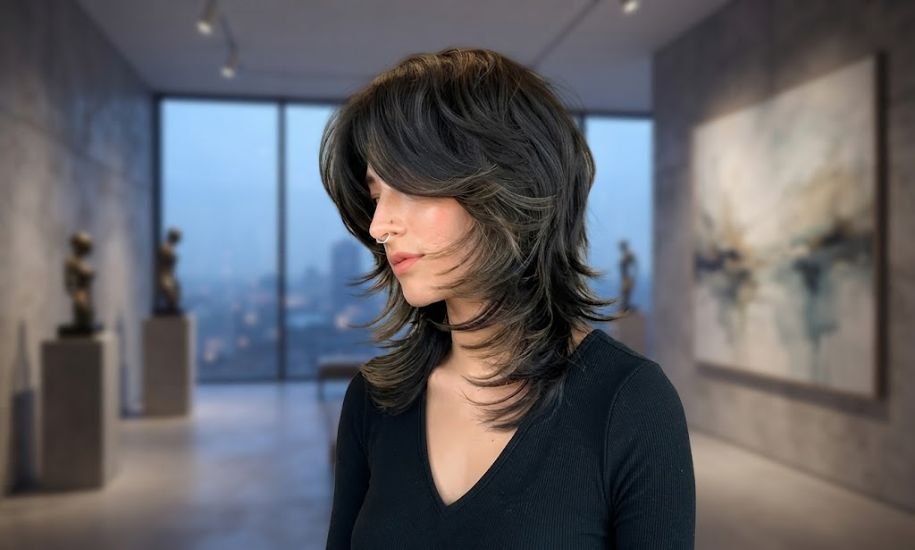
A wolf cut is essentially a highly textured, layered hairstyle that blends elements of a shag and a modern mullet. The haircut usually features shorter layers around the crown and face, while the lower sections remain longer and more graduated.
The result is plenty of volume at the top with a softer, flowing shape toward the ends. Unlike a traditional blunt haircut, the wolf cut relies heavily on movement and uneven-looking layers. The finish is intentionally relaxed rather than perfectly polished.
One of the biggest advantages of this style is that there is no single version of it. A stylist can adjust the amount of layering, length, fringe, and volume to create a cut that works with an individual’s face shape and hair texture.
Why the Style Has So Much Movement
Layering is the defining feature of this haircut. Instead of allowing the hair to fall in one uniform shape, shorter sections are introduced throughout the crown and around the face. These layers create separation and help individual strands move more freely.
For thick hair, this can also remove some of the heaviness that makes longer styles difficult to manage. Fine hair can benefit from strategically placed layers that create the appearance of additional texture and dimension.
The final effect depends on the cutting technique as well as styling. A professional stylist can determine where layers should begin based on the density, natural movement, and overall length of the hair.
Wolf Cut for Straight Hair
Straight hair can provide a particularly defined interpretation of the style because the layers are easy to see. On very straight hair, however, styling may be useful if you want the haircut to have a softer, more voluminous appearance.
A texturizing spray or lightweight styling product can help create separation between the layers. Blow-drying the crown with a round brush can also add lift without making the style appear overly formal.
For a subtle version, ask for longer layers and a less dramatic difference between the top and bottom sections. This creates the characteristic shape without making the haircut look too extreme.
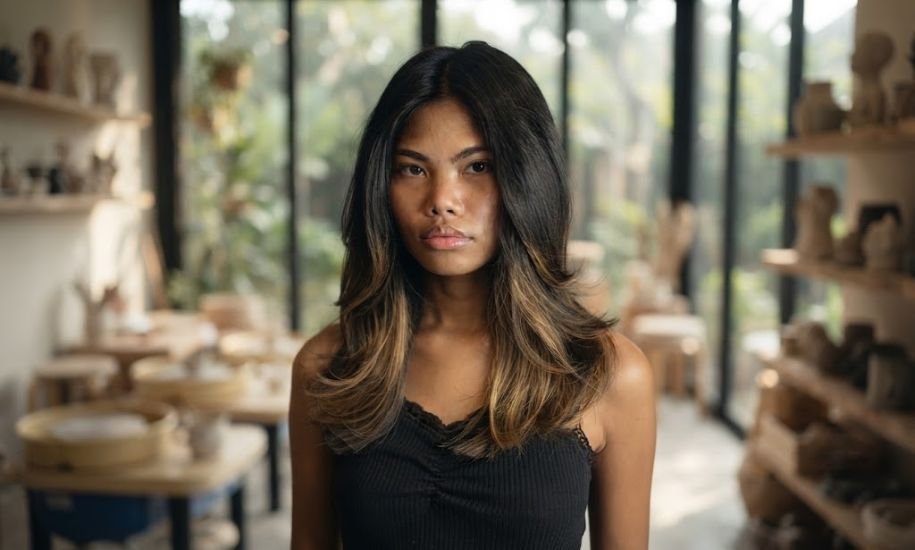
Wolf Cut for Wavy and Curly Hair
Natural waves and curls can work beautifully with this layered shape because texture naturally creates movement. The shorter layers around the crown can encourage curls and waves to form more freely, giving the hairstyle a lively silhouette.
Curly hair does require thoughtful cutting because curls can shrink significantly when dry. A stylist experienced with textured hair can account for this when determining the length of each layer.
For styling, a curl cream or lightweight mousse can help define the natural pattern. Instead of brushing the hair aggressively, gently scrunching it while damp can preserve its texture and reduce unnecessary frizz.
Choosing the Right Version for Your Face Shape
The haircut can be customized to complement different facial features. Face-framing layers are particularly useful because their position can change how the overall shape appears.
For a rounder face, longer pieces around the sides can create a more elongated visual effect. Someone with a longer face may prefer more fullness around the sides and softer layers that balance the proportions.
Oval face shapes are generally versatile and can accommodate a wide range of variations. Heart-shaped faces can also benefit from carefully positioned layers that add balance around the jaw area.
Rather than choosing a style based solely on a face-shape chart, it is better to consider your hair density, natural texture, preferred length, and daily styling routine together.
How to Ask Your Stylist for the Cut
Before your appointment, think about how dramatic you want the layers to be. Bringing a few reference photos can help communicate the desired shape, especially because the phrase “wolf cut” can mean different things to different stylists.
Explain whether you want noticeable crown volume, face-framing pieces, a fringe, or longer layers at the back. Also mention how much styling you are realistically willing to do.
If you prefer a low-maintenance hairstyle, ask for a softer interpretation with layers that work with your natural texture. If you enjoy styling your hair, a more pronounced version can provide additional opportunities for volume and texture.
How to Style It at Home
The beauty of this haircut is that it does not necessarily require complicated styling. Start with damp hair and apply a lightweight volumizing or texturizing product, depending on your hair type.
For naturally wavy or curly hair, allow the texture to develop naturally or use a diffuser on a low setting. Straight hair can be blow-dried with a round brush to create lift around the crown.
A small amount of styling wax or texture paste can emphasize individual layers. Avoid using too much product, as excessive weight can flatten the volume that gives the haircut its distinctive character.
For an intentionally undone finish, use your fingers rather than a brush once the hair is dry. This helps maintain separation and keeps the style from looking overly controlled.
Is a Wolf Cut Low Maintenance?
Maintenance depends on how dramatic the layers are and how quickly your hair grows. Because the style is intentionally textured, it can remain attractive as it grows out, although regular trims help preserve the intended shape.
People with naturally wavy or curly hair may find it especially convenient because the haircut can work with their existing texture. Those with very straight hair may need occasional styling to recreate the desired volume.
A good haircut should also take your everyday routine into account. If you prefer washing, drying, and leaving your hair alone, tell your stylist before the cut so the layers can be designed accordingly.
Who Should Try This Hairstyle?
There is no strict age, gender, or hair-type requirement for wearing this style. Its versatility allows it to be customized from soft and subtle to bold and heavily layered.
It can be a good option for someone who wants to remove visual weight from thick hair, add movement to medium-length hair, or introduce more personality into a simple long hairstyle.
The most important factor is choosing proportions that suit your individual hair rather than copying one particular version exactly.
Frequently Asked Questions
1. What is the difference between a wolf cut and a shag?
Both hairstyles use layers and texture, but a wolf cut typically combines the fuller crown of a shag with a more pronounced length difference toward the back. A shag can have a more consistently rounded shape, while a wolf cut often has a more contrasting silhouette.
2. Is a wolf cut suitable for thin hair?
Yes. Strategic layering can give thin hair more visible movement and texture. However, excessive layering may make very fine hair appear thinner, so a softer approach is usually preferable.
3. Can you get this haircut with curly hair?
Absolutely. Curly hair can give the style natural volume and definition. The layers should be planned according to the curl pattern and expected shrinkage.
4. Does a wolf cut require a lot of styling?
Not necessarily. Wavy and curly hair may require very little styling, while straight hair may benefit from volumizing products or blow-drying. The amount of work depends largely on the desired finish.
5. How often should a wolf cut be trimmed?
A trim every several weeks can help maintain the shape, but the exact schedule depends on hair growth and how precise you want the layers to remain. Because the style is intentionally relaxed, it can also grow out relatively naturally.
Final Thoughts
The wolf cut haircut offers a balance between structure and effortless texture. Its layered construction allows it to be customized for different lengths, textures, and personal aesthetics, making it more versatile than its dramatic appearance might suggest. Whether you want subtle movement or a bold, heavily layered look, the key is working with your natural hair rather than against it. For anyone considering a fresh style with personality and plenty of movement, this haircut remains an appealing option. At infovio, we believe the best hairstyle is one that feels comfortable, expressive, and genuinely suited to your everyday life.