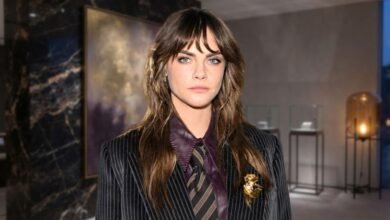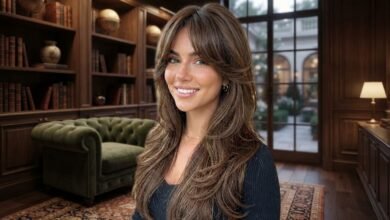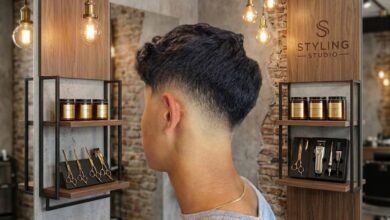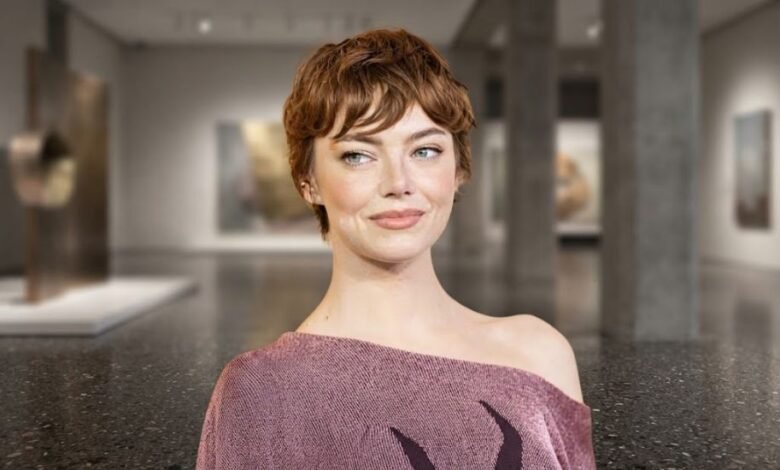
A pixie cut is one of the most recognizable short hairstyles, known for its confident shape, easy styling, and ability to create a fresh, modern appearance. Although the style has been associated with bold fashion moments for decades, it continues to evolve with new variations, textures, and finishing techniques. From soft and feminine versions to edgy cropped looks, there is a style for almost every personality, hair type, and face shape.
What Is a Pixie Cut?
A pixie cut is a short hairstyle in which the hair is typically cropped close around the sides and back while leaving slightly more length on top. The exact shape can vary considerably. Some versions are sleek and structured, while others feature choppy layers, textured ends, or longer fringe.
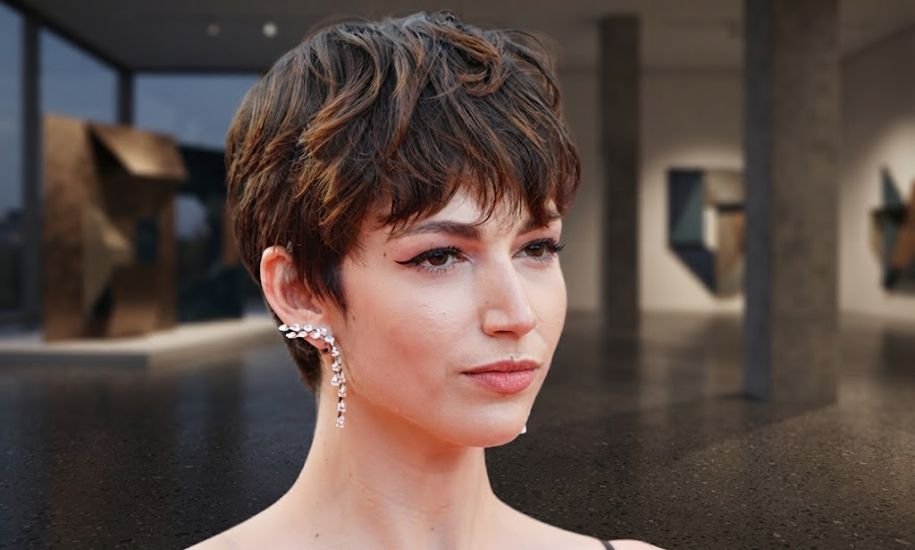
One of the biggest advantages of this haircut is its versatility.pixie cut A short crop can look polished enough for a professional setting while also being styled casually for everyday wear. The right cut can emphasize facial features, create the appearance of greater volume, and make natural hair texture more noticeable.
Why This Short Hairstyle Remains Popular
Short hair often creates a strong visual impact,pixie cut and this style is particularly effective because it combines simplicity with personality. It can make the neck appear longer, draw attention toward the eyes and cheekbones, and give an overall appearance of confidence.
Another reason people choose this haircut is the variety of styling options. A traditional cropped version can be transformed with a side part, textured finish, swept fringe, or slightly longer top.pixie cut This makes it possible to personalize the look rather than following one fixed design.
Despite being short, it does not necessarily mean that styling options are limited. In fact, changing the direction of the hair or adding texture can dramatically alter the final appearance.
Choosing the Right Cut for Your Face Shape
Face shape can be useful when deciding which variation will complement your features.
For an oval face, almost any variation can work well because the proportions are naturally balanced. A classic crop,pixie cut textured top, or longer fringe can all be flattering.
People with round faces may prefer additional height and volume on top.pixie cut Keeping the sides relatively close can create a more elongated appearance, while a textured crown adds definition.
For square faces, softer layers and a slightly longer fringe can help balance stronger jawlines. A deliberately textured finish can also prevent the haircut from looking overly rigid.
Heart-shaped faces can work beautifully with side-swept bangs or longer pieces around the forehead.pixie cut These details can help balance a wider upper face with a narrower chin.
Those with longer face shapes may want to avoid excessive height at the crown.pixie cut A fuller fringe or additional width around the sides can create more balanced proportions.
Pixie Styles for Different Hair Types
Hair texture plays an important role in determining how a short haircut will look.
Straight hair can create a clean, polished silhouette. It works particularly well with precise layers and sleek styling products. Fine straight hair can also benefit from strategically placed layers that create the appearance of fullness.
Wavy hair gives a cropped style natural movement. Instead of trying to make every strand perfectly smooth, allowing the waves to remain visible can produce a relaxed and contemporary finish.
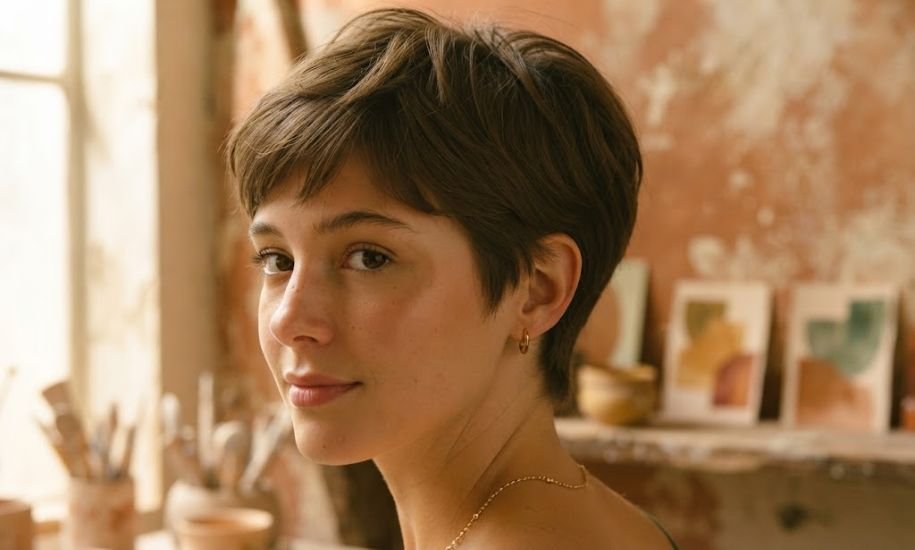
Curly hair can also be shaped into a beautiful short style when the cut is adapted to the natural curl pattern. Proper layering is important because curls can shrink considerably when dry.
Thick hair may require internal layers or careful removal of excess weight. This helps prevent the hairstyle from becoming too bulky and makes daily styling easier.
Low-Maintenance Does Not Mean No Maintenance
One common misconception is that very short hair requires almost no upkeep. While styling time can be reduced, maintaining the shape usually requires regular trims.
As the hair grows, the sides, neckline, and top can quickly lose their original proportions. Depending on how precise the haircut is, a trim every few weeks may help preserve its intended shape.
At home, styling can be surprisingly simple. A small amount of lightweight styling cream, wax, mousse, or texturizing product may be enough. The best product depends on the desired finish and natural hair texture.
For a softer appearance, a small amount of cream can define the shape without making the hair stiff. For a more textured or edgy look, a matte styling product can separate individual sections and add definition.
Modern Variations to Consider
The classic version is only the beginning. Modern interpretations include several different approaches.
A long pixie leaves additional length around the crown or fringe, making it a useful option for someone who wants short hair without committing to an extremely cropped style.
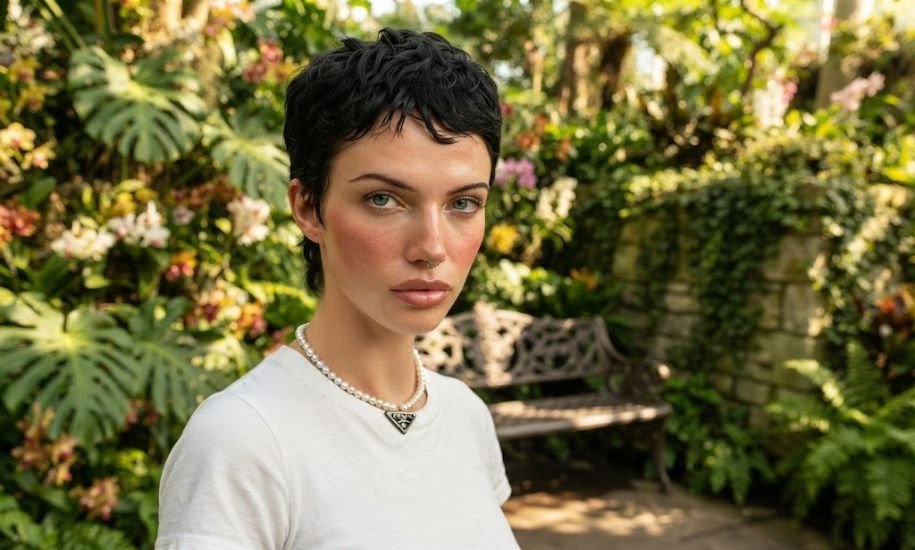
A textured pixie uses choppy layers and uneven ends to create movement. It is particularly suitable for people who prefer an effortless, slightly tousled appearance.
An undercut pixie features noticeably shorter sections underneath, creating contrast with longer hair on top. This version can feel contemporary and dramatic.
A pixie with bangs offers another way to personalize the haircut. Side-swept, wispy, blunt, or textured bangs can completely change the character of the style.
For someone transitioning from longer hair, a longer variation may provide an easier introduction to short hairstyles.
How to Style It for Different Occasions
For everyday wear, the simplest approach is often the best. Apply a small amount of styling product, work it through damp or dry hair, and use your fingers to shape the top.
For a polished appearance, smooth the sides and direct the top toward one side. A lightweight finishing product can help keep everything in place without creating excessive stiffness.
For a more casual look, use a texturizing product and gently separate the layers with your fingertips. The goal is movement rather than perfect symmetry.
Special occasions offer an opportunity to experiment with shine, accessories, or a more sculpted finish. Even a small change in texture can make a short haircut look considerably different.
Is a Pixie Cut Right for You?
The best haircut is ultimately one that fits your lifestyle, hair texture, styling preferences, and comfort level. Someone who enjoys regular salon visits and experimenting with styling may love a highly structured version. Someone who prefers a relaxed routine might be better suited to a longer, textured variation.
It is also worth considering the transition period if you eventually want to grow your hair long again. Short hair grows continuously, but moving from a cropped style to shoulder-length hair can take time and may involve several transitional cuts.
Before making the change, discussing your hair texture and daily routine with a professional stylist can help you choose a shape that works naturally rather than requiring extensive styling every morning.
Frequently Asked Questions
1. What is a pixie cut?
It is a short hairstyle generally cropped around the sides and back with varying length on top. The shape can range from classic and neat to textured and edgy.
2. Does this haircut suit every face shape?
There is usually a suitable variation for most face shapes. The length of the fringe, amount of volume, and shape around the sides can be adjusted to complement individual features.
3. Is a pixie cut easy to maintain?
Daily styling can be quick, but regular trims are important because short hair can lose its shape as it grows.
4. Can curly or wavy hair have a pixie cut?
Yes. Curly and wavy textures can create attractive movement and volume. The haircut should be designed according to the person’s natural curl or wave pattern.
5. How often should a short haircut be trimmed?
Many people schedule trims every four to eight weeks, depending on how quickly their hair grows and how precise they want the shape to remain.
Final Thoughts
A pixie cut is more than simply cutting hair short. It is a flexible style that can be elegant, playful, sophisticated, or edgy depending on the shape, texture, and styling technique. With the right variation, it can complement different face shapes and hair types while reducing the time needed for everyday styling. Whether you choose a classic crop, longer fringe, textured layers, or a modern undercut, the key is selecting a version that feels comfortable and reflects your personal style. For more practical hairstyle guides and beauty-focused articles, infovio continues to offer useful ideas for readers looking for fresh inspiration.