In the vast digital landscape of India, where entertainment is consumed voraciously, few names have commanded as much attention as iBomma. Once a go-to destination for millions seeking the latest Telugu movies, iBomma was more than just a piracy website; it was a phenomenon that challenged the traditional film distribution model. However, this story is not one of revolutionary success but a cautionary tale of digital crime, massive financial fraud, and a high-stakes cat-and-mouse game with law enforcement. The platform’s eventual downfall exposed a complex criminal network that extended far beyond just offering free streaming.
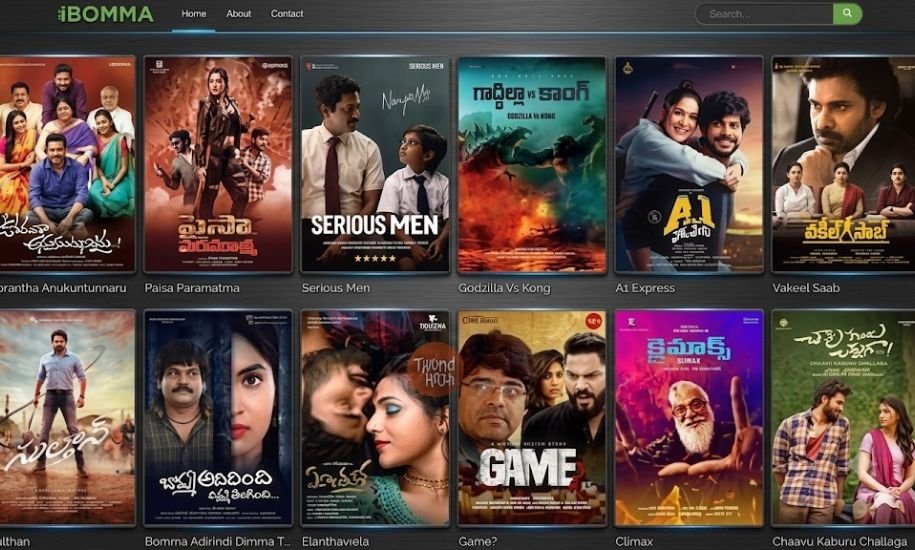
The allure of accessing new movies in high definition without a subscription fee made iBomma incredibly popular. It cultivated a massive subscriber base of nearly 50 lakh users who were drawn to its extensive library of Telugu, Tamil, Malayalam, Kannada, and even dubbed Hollywood content . Yet, for the film industry and authorities, iBomma represented a multi-crore rupee drain, leading to an investigation that would unravel the operations of its mastermind.

The Architect Behind the Screen: Immadi Ravi
The driving force behind the iBomma empire was Immadi Ravi, a professional graphic designer by training who held a B.Sc. in Computer Science . Hailing from Visakhapatnam, Ravi was not a typical tech-savvy criminal. He was a calculated entrepreneur who built a sophisticated piracy network, eventually expanding into a dual criminal ecosystem involving online betting promotion . His case has garnered significant attention, with netizens often debating the dichotomy between his illegal actions and the public’s frustration with high movie ticket and OTT subscription prices .
Ravi’s primary goal was to create an illegal streaming platform that could generate massive revenue. To achieve this, he set up iBomma and a network of 65 mirror websites, registering the main domain with his personal details under the guise of a fake company named Enjala . His technical expertise allowed him to maintain full control over the content, utilizing a Content Management System (CMS) to schedule advertisements, upload content, and manage the platform’s complex operations .
The Engine of iBomma: How the Piracy Network Operated
iBomma’s success lay in its technical sophistication and aggressive approach to content delivery. Ravi focused relentlessly on keeping the network alive, buying 101 domains and switching between them whenever one was blocked, a tactic known as “domain hopping” . The content was sourced from a variety of illegal methods, including leaked high-definition prints from major OTT platforms and covertly recorded camera prints from theatres .
The platform was designed to be highly accessible across devices. Viewers could access iBomma on their laptops, PCs, tablets, and smartphones. The platform even had a dedicated app, iBomma Telugu TV, which was advertised as a free and fast streaming solution for Android users . This ease of access helped the site reach an estimated 5 million monthly visits at its peak .
Beyond Piracy: The Diversion to Betting and Data Theft

While iBomma was known for movies, the real money for Ravi did not come from films themselves but from illegal betting app promotions. He used advanced software to automatically divert users. When a user clicked on a link or visited the site, a redirect script would push them towards illegal gaming and betting platforms . This forced viewers to watch advertisements for these apps, generating revenue in lakhs.
To route high-value financial transactions, Ravi partnered with advertising companies like Addcash and Adstera . He collected payments in USDT cryptocurrency, which he then converted into Indian rupees and funnelled into his accounts . The scale of this operation was staggering. Police Commissioner V.C. Sajjanar stated that Ravi’s network earned nearly Rs 20 crore from this scheme, with authorities seizing Rs 3 crore from his accounts .
A more sinister aspect of the operation was data theft. Ravi used the platform to infiltrate users’ phones by prompting them to install malicious APK files disguised as useful tools for streaming . These files stole personal and banking data when users clicked “accept” on the terms and conditions. Police allege that Ravi stole the personal data of 50 lakh people, selling it to cybercriminals for additional profit .
The Legal Crackdown and the Arrest of Ravi Immadi
The Hyderabad Police, in a major operation, finally cracked down on the network. A case was registered in August 2025 following a complaint from the Telugu Film Chamber of Commerce, which detailed how the site routinely uploaded high-definition pirated copies of new films within hours of their release . The investigation led authorities to an apartment in Kukatpally, where they arrested Immadi Ravi in November 2025 .
The police uncovered the massive scale of the operation, finding nearly 21,000 movies on his hard disks, ranging from Hollywood classics like ‘The Godfather’ to the latest Tollywood releases . Ravi is now facing multiple charges under the IT Act, the Copyright Act, and the Bharatiya Nyaya Sanhita (BNS). A significant development was the application of the Foreigners Act after it was revealed that Ravi had given up his Indian citizenship to obtain citizenship in St. Kitts and Nevis, making his crimes more complex . He could potentially face up to 7 years in prison if convicted .
iBomma’s Legacy and the Rise of Successors
Despite the arrest of its mastermind, the legacy of iBomma persists. The demand for free content has proven resilient. Platforms like iBomma One and Bappam TV, often described as “iBomma 2.0,” have emerged to fill the void left by the original platform’s shutdown . These websites continue to use the same playbook of changing domain names and relying on Telegram channels to distribute content .
The sentiment from many users remains conflicted. As one Reddit user pointed out, “Piracy thrives because accessibility and affordability remain unresolved. Until platforms rethink pricing or bundles, demand will persist” . This highlights the ongoing challenge for the film industry and law enforcement to combat illegal streaming and protect intellectual property.
Conclusion: The End of an Era, The Start of a Stricter Future
The iBomma saga is a landmark case in the fight against digital piracy in India. It showcases the evolution of pirates from simple bootleggers to tech-savvy entrepreneurs managing international fraud networks. The arrest of Immadi Ravi sends a clear message that such illegal operations, regardless of their popularity, are crimes that steal the hard work of thousands in the film industry and put user data at risk. While the battle is far from over, as new sites like iBomma One continue to appear, the heavy hand of the law, including escalation to the CBI and Enforcement Directorate, signals a stricter future for online piracy in the country .
Frequently Asked Questions
1. Who was the mastermind behind the iBomma piracy website?
The mastermind was Immadi Ravi, a professional graphic designer with a B.Sc. in Computer Science. He ran a massive network of over 65 mirror websites and created a complex revenue system involving advertising and illegal betting .
2. How much money did the iBomma network earn from piracy and illegal activities?
According to Hyderabad Police, the network earned close to Rs 20 crore. This income primarily came from promoting illegal betting apps and streaming advertisements, rather than just the films themselves .
3. What kind of content was available on iBomma?
iBomma focused primarily on Telugu (Tollywood) movies but also included Tamil, Malayalam, Kannada, Hindi, Hollywood (dubbed), and web series. The platform contained nearly 21,000 pirated movies at the time of the crackdown .
4. Was it safe to use iBomma?
No, using iBomma was highly unsafe. Aside from being illegal under the Copyright Act, the website often prompted users to download malicious APK files. These files were used to steal personal and banking data from users, with police alleging that data of 50 lakh people was stolen .
5. Is the iBomma website still active after the arrest?
The original iBomma domains were taken down by authorities after Ravi’s arrest. However, several successor platforms and mirror sites like iBomma One and Bappam TV have sprung up to take its place, making it a continuing challenge for authorities .
Final Paragraph
The iBomma case serves as a stark reminder that while the allure of free content is powerful, it comes at a significant cost to creators and consumers alike. As authorities continue to crack down on piracy networks and new platforms emerge to fill the void, the film industry faces an ongoing battle to protect intellectual property and ensure fair compensation for artists. For those seeking to understand the complexities of digital piracy, its legal implications, and the evolving landscape of online entertainment, Infovio remains your trusted source for in-depth analysis and comprehensive coverage of technology, crime, and media developments.