Conventionally Attractive Meaning: Understanding Beauty Standards and Modern Perceptions


Beauty has always been a fascinating topic, but the way people define attractiveness is influenced by far more than personal opinion. The Conventionally Attractive Meaning refers to someone whose physical appearance aligns with the beauty standards commonly accepted within a particular culture or society. These standards are shaped by history, media, fashion, and cultural values, making them constantly evolve over time. While conventional attractiveness may influence first impressions, it is only one aspect of how people perceive beauty. Understanding this concept helps explain why appearance is viewed differently across cultures and why personal attraction often goes beyond physical features.
Quick Facts
| Topic | Details |
|---|---|
| Main Subject | Conventionally Attractive Meaning |
| Definition | Appearance that matches widely accepted beauty standards |
| Category | Lifestyle, Psychology |
| Influenced By | Culture, media, fashion, history, and society |
| Related Concepts | Beauty standards, facial symmetry, physical attractiveness, confidence |
| Key Message | Conventional attractiveness differs from personal attraction |

What Does Conventionally Attractive Meaning?
The phrase Conventionally Attractive Meaning describes individuals whose appearance closely matches the beauty ideals generally accepted by society. These standards are not fixed laws but shared perceptions that develop through cultural influence and social trends.
People often associate conventional attractiveness with features such as:
- Balanced facial proportions
- Clear and healthy skin
- Bright eyes
- Symmetrical facial features
- Well-maintained hair
- Healthy body proportions
- Good grooming and personal hygiene
Although these characteristics are commonly admired, they do not determine a person’s overall worth or attractiveness.
How Beauty Standards Are Created
Beauty standards develop over generations and are influenced by multiple factors rather than a single source.
Culture and Society
Every culture has its own ideas about beauty. What is considered attractive in one country may not be viewed the same way elsewhere.
For example, some cultures appreciate naturally curvy body types, while others admire slimmer figures. Similarly, preferences for hairstyles, skin tones, facial features, and fashion differ around the world.
These cultural differences show that attractiveness is not universal.
Media Influence
Movies, television, fashion magazines, advertisements, and social media all contribute to shaping public ideas of beauty.
Celebrities, actors, athletes, and fashion models often represent current beauty ideals because they fit the standards promoted by entertainment and advertising industries.
Over time, these repeated images influence how people perceive physical attractiveness.
Historical Changes
Beauty standards have changed dramatically throughout history.
In some historical periods, fuller body shapes symbolized prosperity and good health. During other eras, slim figures became fashionable. Hairstyles, makeup trends, and clothing styles have also evolved continuously.
This constant change proves that conventional attractiveness is largely a social construct rather than a permanent definition.
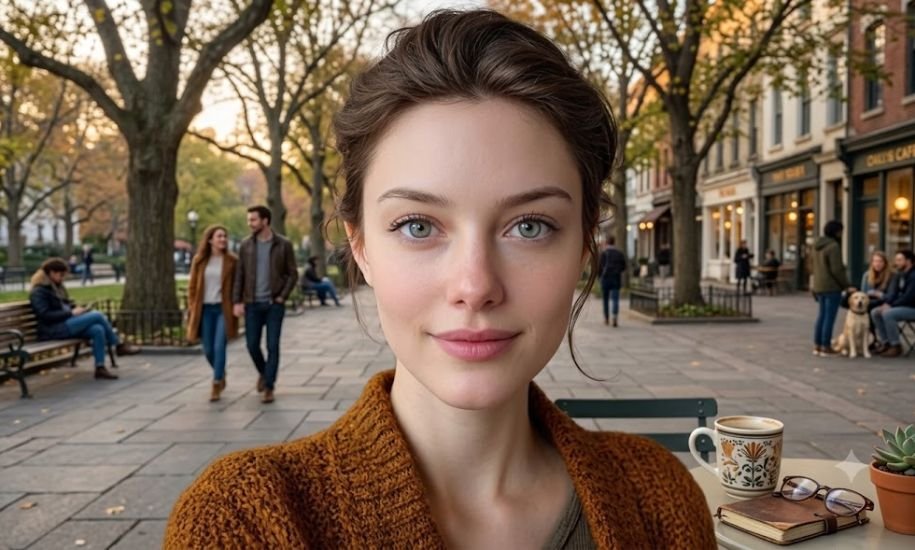
Common Traits of Conventionally Attractive Meaning People
Although beauty remains subjective, several physical characteristics are commonly associated with conventional attractiveness.
Facial Symmetry
One of the most discussed features is facial symmetry. Faces with balanced proportions are often perceived as more aesthetically pleasing because they create visual harmony.
Perfect symmetry does not exist, but overall balance tends to influence first impressions.
Healthy Appearance
Healthy-looking skin, shiny hair, and bright eyes often signal good health, making these features naturally appealing.
Lifestyle habits such as proper nutrition, hydration, and sleep contribute significantly to this appearance.
Confidence
Confidence is not a physical feature, but it strongly affects how attractive someone appears.
People who maintain good posture, smile naturally, and communicate confidently often leave a stronger positive impression than appearance alone would suggest.
Personal Grooming
Simple habits can greatly improve overall appearance, including:
- Wearing clean, well-fitting clothes
- Maintaining good hygiene
- Choosing a flattering hairstyle
- Practicing skincare
- Keeping facial hair well groomed when applicable
These habits enhance presentation regardless of natural facial features.
Conventional Attractiveness vs. Personal Attraction
One of the biggest misconceptions is believing that conventional attractiveness determines who everyone finds attractive.
In reality, personal attraction is highly individual.
Some people are naturally drawn to:
- Freckles
- Curly hair
- Tattoos
- Glasses
- Different body types
- Unique facial features
Others value personality traits much more than appearance.
This explains why two people can have completely different ideas about who they find attractive.
Why Personality Matters More Than Appearance
Physical appearance often creates the first impression, but personality determines lasting relationships.
Characteristics that increase attractiveness include:
- Kindness
- Emotional intelligence
- Sense of humor
- Confidence
- Honesty
- Respect
- Compassion
These qualities help build meaningful friendships, romantic relationships, and professional connections.
Many people become more attractive over time simply because others appreciate their character.
The Role of Social Media
Social media has significantly influenced modern beauty standards.
Photo filters, editing software, and carefully selected images often create unrealistic expectations.
Constant exposure to idealized appearances may lead people to compare themselves unfairly with edited photographs.
Fortunately, recent years have also seen increased support for body positivity, diversity, and authentic representation.
Many brands now celebrate different skin tones, body shapes, ages, and unique facial characteristics, helping redefine beauty in a more inclusive way.
Can Someone Become More Conventionally Attractive Meaning?
While genetics play a role, many aspects of appearance can be improved through healthy habits.
Examples include:
- Regular exercise
- Balanced nutrition
- Proper skincare
- Quality sleep
- Good posture
- Personal grooming
- Wearing clothes that suit individual body types
- Building self-confidence
These improvements often enhance both appearance and overall well-being.
Rather than chasing unrealistic beauty ideals, focusing on health and self-care usually produces the most natural and lasting results.
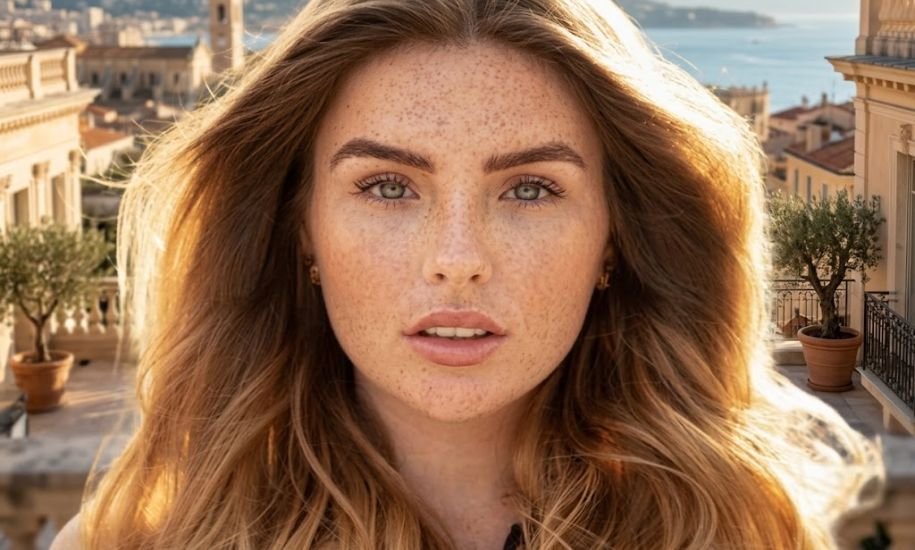
Why Beauty Is Ultimately Subjective
Although society promotes certain beauty standards, attraction is deeply personal.
People’s preferences are influenced by:
- Family background
- Cultural experiences
- Personal memories
- Individual values
- Emotional connections
Someone who does not fit traditional beauty standards may still be considered extremely attractive by others because of their personality, confidence, or uniqueness.
This reminds us that beauty cannot be reduced to a single checklist of physical traits.
Frequently Asked Questions
1. What does Conventionally Attractive Meaning mean?
It refers to someone whose appearance closely matches the beauty standards commonly accepted within a particular society or culture.
2. Is Conventionally Attractive Meaning attractiveness the same as being beautiful?
No. Conventional attractiveness reflects societal preferences, while beauty is personal and subjective.
3. Do beauty standards change over time?
Yes. Fashion, media, cultural values, and historical trends continuously influence what society considers attractive.
4. Can confidence make someone more attractive?
Absolutely. Confidence, positive body language, and self-assurance often make people appear more attractive regardless of physical appearance.
5. Is personality more important than looks?
For long-term relationships and meaningful connections, personality usually plays a much greater role than physical appearance alone.
Conclusion
Understanding the conventionally attractive meaning helps us see that beauty is influenced by cultural norms, media representation, and personal experiences rather than a single universal standard. While certain physical features may fit widely accepted beauty ideals, genuine attractiveness often comes from confidence, kindness, authenticity, and character. As beauty standards continue to evolve, embracing individuality becomes more important than meeting societal expectations. At Infovio, we are committed to delivering well-researched, engaging, and informative content that helps readers better understand lifestyle, psychology, and modern culture.