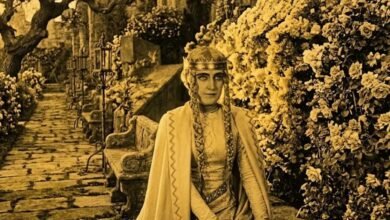
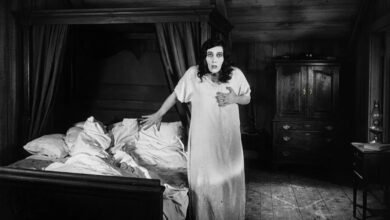
Camilla Horn was a celebrated German actress whose beauty, talent, and remarkable screen presence made her one of the memorable performers of early European cinema. Best known for her unforgettable portrayal of Gretchen in F. W. Murnau’s silent film Faust (1926), she built an international career that extended from Germany to Hollywood, Britain, and Italy. Her journey included professional success, personal challenges, changing film industries, and a return to acting later in life. From her early days as a dancer to her recognition as an important figure in German cinema, her story reflects the evolution of filmmaking throughout the twentieth century.
Quick Bio of Camilla Horn
| Category | Details |
|---|---|
| Full Name | Camilla Martha Horn |
| Date of Birth | April 25, 1903 |
| Birthplace | Frankfurt am Main, Germany |
| Nationality | German |
| Profession | Actress, dancer |
| Famous For | Faust (1926) |
| Career | 1920s–1980s |
| Marital History | Married multiple times |
| Children | No reliably documented public information |
| Date of Death | August 14, 1996 |
| Place of Death | Gilching, Germany |
| Age at Death | 93 years |

Early Life and Family Background
Camilla Martha Horn was born on April 25, 1903, in Frankfurt am Main, Germany. She grew up in a working family, and her father was employed as a railway official. Her childhood was far removed from the glamorous world of international cinema that she would eventually enter.
Rather than immediately pursuing acting, she initially trained as a dressmaker. After completing her apprenticeship, she worked in the clothing industry, including a period in Erfurt. However, she was interested in artistic performance and wanted to explore opportunities beyond traditional employment.
Her move to Berlin became an important turning point. There,Camilla Horn she studied acting under Lucie Höflich and developed her dancing skills through training with Rudolf von Laban. She also performed in cabaret revues, gaining valuable experience in front of live audiences.
These early experiences helped her develop the confidence and performance abilities that later became essential to her film career.
How Camilla Horn Became Famous
Horn’s major breakthrough came through her association with influential German filmmaker F. W. Murnau.
Before receiving her famous role, she appeared in smaller film assignments and worked as an extra. During the production of Tartuffe (1925), she attracted Murnau’s attention after standing in for actress Lil Dagover during a scene.
The director recognized her potential and selected her to play Gretchen in Faust (1926), a film adaptation inspired by the legendary German story.
Her performance as Gretchen brought her considerable attention.Camilla Horn The film’s dramatic storytelling, atmospheric cinematography, and impressive visual effects helped establish it as an important work of silent cinema.
Horn’s portrayal demonstrated her ability to communicate emotion through facial expressions and physical performance, an especially valuable skill during the silent-film era.
Following the success of Faust, she secured a contract with Ufa, one of Germany’s leading film production companies.
Hollywood Career and International Recognition
In 1927, Horn received an opportunity to work in Hollywood through United Artists.Camilla Horn Moving to the United States represented a significant achievement for a European actress during that period.
One of her notable American productions was Tempest (1928), in which she appeared alongside John Barrymore. She also worked with him in Ernst Lubitsch’s Eternal Love (1929).
These productions introduced her to international audiences and strengthened her professional reputation.
Another important project was The Royal Box (1929), a German-language production filmed in the United States. The film reflected the industry’s transition toward synchronized sound and dialogue.
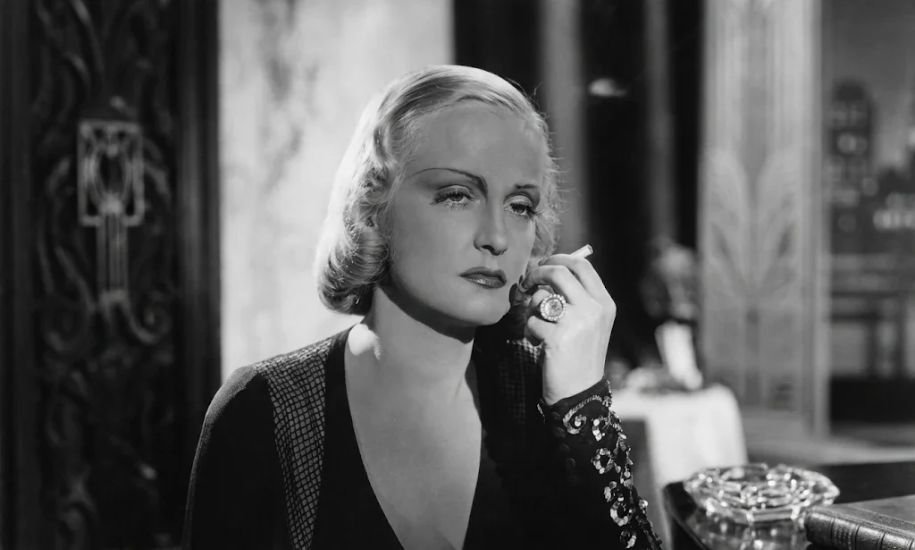
Although Horn experienced success in Hollywood, she eventually returned to Europe. The introduction of sound cinema created new opportunities for performers who could adapt their acting styles and work across different languages and markets.
Career During the 1930s and 1940s
After returning to Germany, Horn continued developing her acting career. Her performances gradually moved beyond the innocent young women she had portrayed earlier.
During the 1930s, she appeared in more sophisticated and glamorous roles, demonstrating a broader acting range.
She worked with several well-known European performers and participated in productions filmed in different countries, including France, Britain, and Hungary.
In 1941, she moved to Rome to pursue opportunities in Italian cinema. Her career, however, became increasingly complicated by the political conditions surrounding Europe during World War II.
Her experiences during this period were difficult, and she eventually stepped away from regular film work. After the war, she returned to Frankfurt and used her English-language abilities to work as an interpreter for American forces.
She subsequently returned to the stage, demonstrating that her interest in performance had remained strong despite the interruptions in her career.
Personal Life, Relationships, and Marriages
Although Camilla Horn enjoyed a successful public career, her personal life also attracted attention. She experienced several romantic relationships and marriages throughout her lifetime.
Historical biographical accounts identify several marriages, including relationships with Klaus Geerz, Kurt Kurfis, Robert Schnyder, and Rudolf Mühlfenzl. Some accounts differ in the number of marriages recorded, so her complete marital history should be treated with care.
Her relationships were sometimes complicated, and she openly discussed aspects of her romantic experiences in her autobiography, Verliebt in die Liebe, published in 1985.
There is limited reliable public information about her having children. Consequently, specific claims about a son or daughter should not be presented as established facts.
Despite the attention surrounding her relationships, Horn remained an independent personality who valued her artistic career and personal experiences.
Later Acting Career and Return to Cinema
Following the Second World War, Horn found that the German entertainment industry had changed considerably. Many performers from the silent-film generation struggled to regain their earlier positions as new actors and filmmaking styles became prominent.
She continued working in theatre and occasionally appeared in films and television productions. Although she no longer enjoyed the same leading roles that had made her famous during the 1920s and 1930s, she remained connected to the entertainment industry.
Her later appearances included Wer weint denn schon im Freudenhaus (1970) and television work during the 1980s.
One particularly notable late-career project was Schloß Königswald (1988), directed by Peter Schamoni. The film celebrated actresses from the earlier Ufa era and brought together several familiar faces from German cinema.
For Horn, the production offered an opportunity to reconnect with the film industry that had shaped her early success.
Awards and Professional Recognition
Camilla Horn’s contribution to German cinema received formal recognition during her lifetime.
In 1974, she received the Filmband in Gold, an honorary distinction recognizing her longstanding contribution to German filmmaking.
Her later recognition also included the Bavarian Film Award for her work in Schloß Königswald, although award-year references vary between biographical sources.
Her career remains particularly associated with the silent-film era, when performers relied heavily on expressions, gestures, and visual storytelling to communicate complex emotions.
Camilla Horn’s Death and Legacy
Camilla Horn died on August 14, 1996, in Gilching, Germany, at the age of 93. Her death marked the end of a long life that had witnessed enormous changes in European and American cinema.
Her legacy is closely connected to Faust (1926), which continues to receive attention from film historians and enthusiasts interested in silent cinema.
She also represents a generation of European performers who successfully crossed international borders and adapted to changing filmmaking techniques.
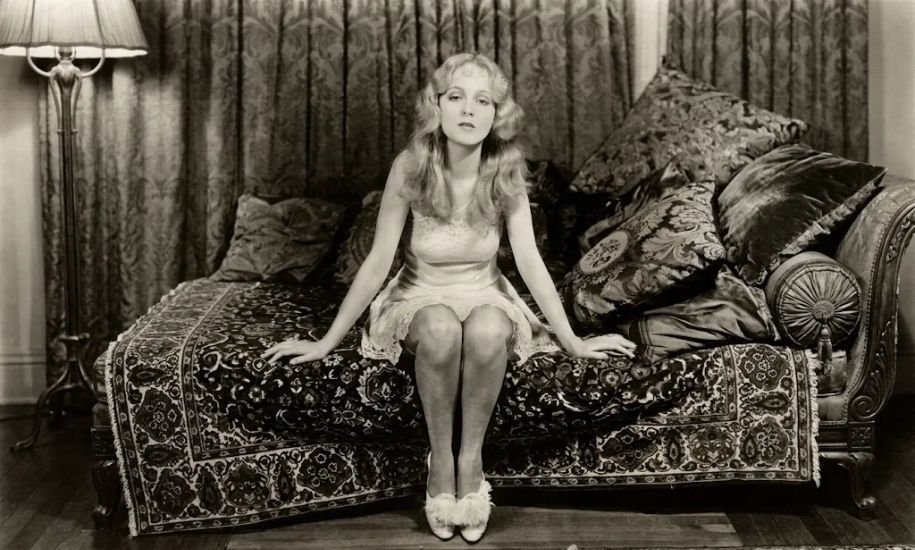
Her story is not simply about fame or Hollywood success. It is also about professional determination, artistic reinvention, and the challenges faced by actresses whose careers spanned several generations
Frequently Asked Questions (FAQs)
1. Who was Camilla Horn?
Camilla Horn was a German actress and dancer best known for playing Gretchen in the 1926 silent film Faust. She became an internationally recognized performer during the late 1920s.
2. When was Camilla Horn born?
She was born on April 25, 1903, in Frankfurt am Main, Germany.
3. What made Camilla Horn famous?
Her performance as Gretchen in F. W. Murnau’s Faust (1926) established her reputation and opened opportunities in Hollywood and European cinema.
4. Was Camilla Horn married?
Yes. Historical biographies document multiple marriages and relationships. Her autobiography also discusses her personal experiences.
5. When did Camilla Horn die?
She died on August 14, 1996, in Gilching, Germany, at the age of 93.
Final Thoughts
Camilla Horn remains an important name in the history of German cinema. From her early beginnings as a dressmaker and dancer to her breakthrough in Faust and her international acting career, she demonstrated remarkable dedication to her profession. Her experiences across different generations of filmmaking make her story worth remembering. At infovio, we aim to explore the lives and achievements of influential personalities whose contributions continue to leave an impression on entertainment history.