Maly Delschaft: Biography, Career, Early Life, and Legacy of the German Actress

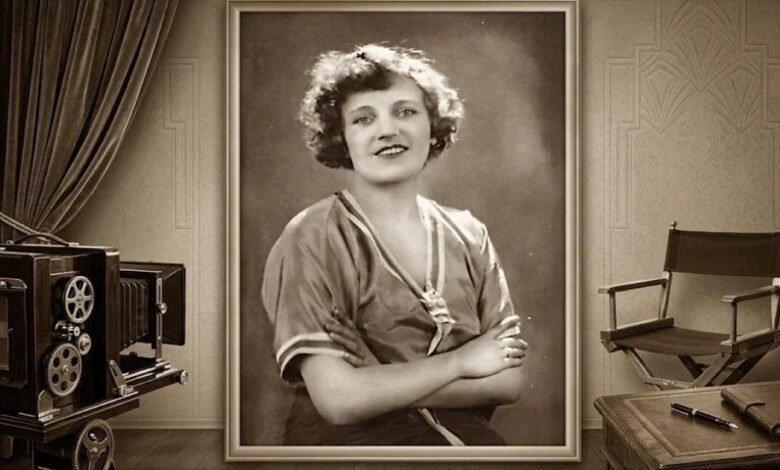
Maly Delschaft was a German actress whose career spanned some of the most significant periods in European cinema. Best remembered for her performances in silent films and early sound productions, she became a familiar face in German entertainment during the Weimar Republic and continued working through the dramatic political and cultural changes of the twentieth century. From her beginnings in Hamburg to her later work with East Germany’s DEFA film studio, Delschaft built an impressive acting career that lasted approximately four decades. Her appearances in celebrated productions such as The Last Laugh and Varieté helped establish her place in German film history.
Quick Bio of Maly Delschaft
| Category | Details |
|---|---|
| Full Name | Martha Amalia Delschaft |
| Professional Name | Maly Delschaft |
| Other Name | Amalie Köster-Delschaft |
| Date of Birth | December 4, 1898 |
| Birthplace | Hamburg, Germany |
| Nationality | German |
| Profession | Actress |
| Known For | The Last Laugh, Varieté |
| Years Active | 1921–1961 |
| Marital Status | Not widely documented |
| Children | No reliably documented information |
| Date of Death | August 20, 1995 |
| Place of Death | Berlin, Germany |
| Age at Death | 96 years |

Early Life and Background
Maly Delschaft was born Martha Amalia Delschaft on December 4, 1898, in Hamburg, Germany. Growing up in a period when theatre and cinema were becoming increasingly influential forms of entertainment, she developed an interest in performance that eventually shaped her professional future.
Although detailed information about her parents, siblings, and childhood is limited, historical records provide some insight into her early artistic development. She received acting training in Hamburg between 1916 and 1917 before gaining experience in Bremen from 1917 to 1919.
These formative years helped her develop the stage skills and professional confidence needed to enter the entertainment industry. Rather than immediately becoming a film personality, she established her foundation through theatre, where performers learned to communicate emotion and character through voice, movement, and expression.
How Maly Delschaft Started Her Acting Career
Delschaft began working in German cinema during the early 1920s, a period when silent films were experiencing remarkable artistic development. Her early screen appearances introduced her to filmmakers and audiences who appreciated expressive performances.
One of her early film appearances was in Danton (1921), directed by Dimitri Buchowetzki. The production also brought her together professionally with Emil Jannings, one of the major actors of German silent cinema.
During the following years, she appeared in several productions and gradually established herself as a dependable character actress. Her ability to portray different personalities made her suitable for a wide range of supporting roles.
Maly Delschaft and The Last Laugh
One of the most important productions in her career was Friedrich Wilhelm Murnau’s The Last Laugh (1924), originally titled Der letzte Mann.
The film starred Emil Jannings as an aging hotel doorman whose social position changes dramatically after he loses his prestigious job. Delschaft played the character’s niece, contributing to the family-centered elements of the story.
The production became an internationally recognized example of German silent filmmaking. Its innovative camera techniques, visual storytelling, and expressive performances helped influence the development of cinematic language.
Although Delschaft was not the leading performer, her participation in such an influential production remains an important part of her professional history.
Her Performance in Varieté
Another significant film in her career was Varieté (1925), directed by Ewald André Dupont. In this production, Delschaft played Frau Huller, the wife of a trapeze artist portrayed by Emil Jannings.
Interestingly, she had played Jannings’ young niece in The Last Laugh just one year earlier. Her transformation into a more mature and emotionally troubled character demonstrated her versatility.
Varieté became an important international success and is remembered for its dramatic storytelling and visually ambitious circus sequences. Delschaft’s performance added emotional depth to a story involving relationships, ambition, betrayal, and personal consequences.
Other Notable Films and Acting Achievements
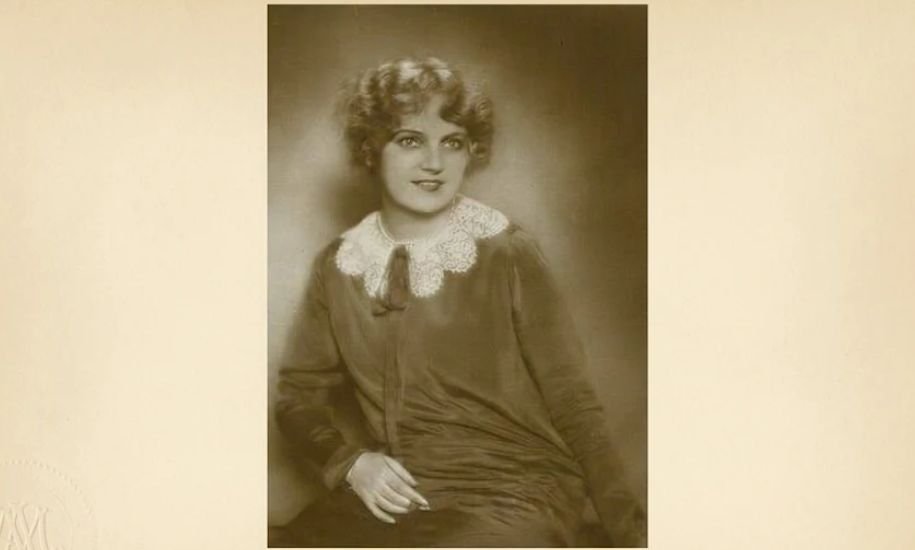
Throughout the 1920s, Delschaft appeared in numerous German productions. Among her notable projects was Kreuzzug des Weibes (1926), a socially significant silent film directed by Martin Berger.
She portrayed a teacher in the production, which addressed controversial questions surrounding pregnancy, abortion, and women’s rights in Weimar Germany. The role demonstrated her willingness to participate in films dealing with serious social issues.
Her career continued after the silent-film era. She successfully appeared in productions during the transition to sound cinema and remained active throughout the 1930s and 1940s.
Following the Second World War, she worked extensively in East German cinema, particularly with DEFA, the state-controlled film studio established in the Soviet occupation zone.
Some notable later productions included Affäre Blum (1948), Das Beil von Wandsbek (1951), Thomas Müntzer (1956), and Meine Frau macht Musik (1958).
Her filmography ultimately included approximately 144 film appearances, according to the commemorative plaque installed in Berlin in her honor.
Personal Life, Husband, and Family
Despite her lengthy career, Maly Delschaft kept much of her private life away from public attention. Consequently, reliable biographical information about her romantic relationships and family circumstances remains limited.
Some historical records associate her with the alternative name Amalie Köster-Delschaft. However, this naming information alone does not establish the details of her marriage or personal relationships.
There is no sufficiently verified public information identifying a husband or confirming whether she had children. It would therefore be misleading to present unverified family stories as established facts.
Her surviving public legacy is primarily connected to her professional achievements in German theatre and cinema.
Awards and Recognition
Delschaft’s contribution to German filmmaking received formal recognition later in her life. In 1970, she received the Filmband in Gold, an honorary German Film Award recognizing long-standing and outstanding contributions to German cinema.
This recognition reflected the importance of her decades of work across different cinematic periods.
Berlin also commemorated her life with a memorial plaque at Kaiserdamm 89. The plaque was unveiled on October 19, 2001, and records her residence at the property from 1935 until her death in 1995.
Why Did Maly Delschaft Stop Acting?
Her professional career effectively ended in 1961. The construction of the Berlin Wall that year created major political and practical barriers for people working across the divided city.
According to the Berlin commemorative record, the division of Berlin brought her acting career to an end. Her final credited film appearance was in Zwei unter Millionen (1961).
This marked the conclusion of a career that had developed alongside the transformation of German cinema from silent productions to modern sound films.
Death and Lasting Legacy
Maly Delschaft died on August 20, 1995, in Berlin, Germany, at the age of 96. She had witnessed enormous changes in European society, including two world wars, the rise and fall of different political systems, and the transformation of the film industry.
Her legacy remains connected to the influential productions of German silent cinema and the postwar film culture of East Germany. Although she frequently worked in supporting roles, her performances contributed to films that continue to receive historical and cinematic attention.

Frequently Asked Questions (FAQs)
1. Who was Maly Delschaft?
Maly Delschaft was a German stage and film actress known for her performances in silent films and later German productions. She appeared in approximately 144 films during her career.
2. When and where was Maly Delschaft born?
She was born on December 4, 1898, in Hamburg, Germany.
3. What movies made Maly Delschaft famous?
Her best-known productions include The Last Laugh (1924), Varieté (1925), and Kreuzzug des Weibes (1926).
4. Was Maly Delschaft married, and did she have children?
Reliable public sources do not establish detailed information about her husband or children. Her private family life remains largely undocumented.
5. When did Maly Delschaft die?
She died on August 20, 1995, in Berlin, Germany, at the age of 96.
Final Thoughts
Maly Delschaft’s life represents the experience of a dedicated actress who adapted to changing artistic and political circumstances. From her early theatre training to her appearances in internationally recognized silent films and later DEFA productions, she maintained a substantial presence in German entertainment.
Her work in The Last Laugh, Varieté, and other important productions deserves recognition as part of Germany’s cinematic heritage. At infovio, we appreciate sharing the stories of influential personalities like Delschaft, whose contributions continue to offer insight into the history of film and performing arts.