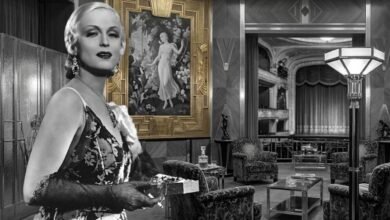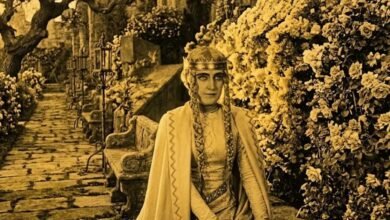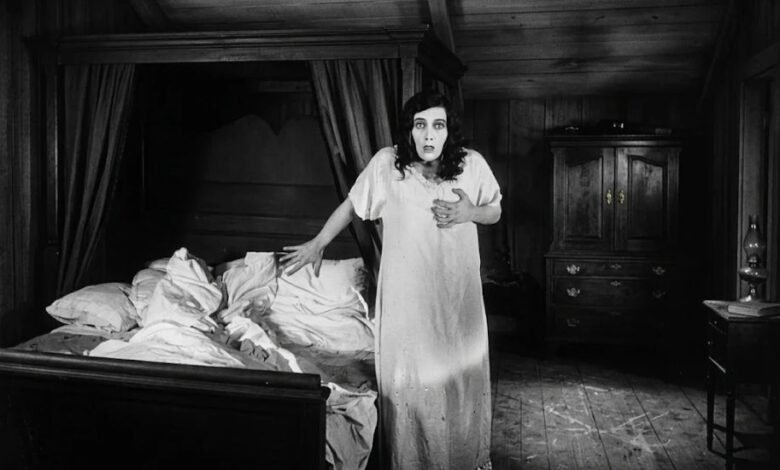
Greta Schröder was a German actress whose contribution to early cinema remains closely associated with one of the most influential horror films ever made, Nosferatu (1922). Best remembered for portraying Ellen Hutter, she became part of film history through a performance that helped establish the atmosphere and emotional depth of the silent horror classic. Although she never achieved the same international fame as some of her contemporaries, her work extended across several decades and included acting, theater, and screenwriting. Her personal life, professional relationships, and involvement in early German cinema make her an interesting figure in the history of European filmmaking.
Quick Bio of Greta Schröder
| Detail | Information |
|---|---|
| Full name | Margarete Schröder |
| Known as | Greta Schröder |
| Birthplace | Düsseldorf, Germany |
| Nationality | German |
| Profession | Actress and screenwriter |
| Famous role | Ellen Hutter in Nosferatu |
| First film | Die Insel der Seligen (1913) |
| Famous film | Nosferatu (1922) |
| First husband | Ernst Matray |
| Second husband | Paul Wegener |
| Children | One son, Geza-Ernst Matray |
| Birth and death dates | Historical sources differ |

Who Was Greta Schröder?
Greta Schröder, also known as Greta Schröder-Matray and Greta Schröder-Wegener, was a German stage and film actress active during the early twentieth century. She was born as Margarete Schröder in Düsseldorf and developed an interest in acting at a young age.
She came from a respectable family and received an education that included time in England. Rather than following a conventional path, she pursued her interest in performing arts and took acting and speech lessons.
Her professional journey brought her to Berlin, where she became connected with the theatrical world surrounding director Max Reinhardt. These early experiences helped her develop the confidence and skills needed for a career in theater and cinema.
Although her filmography was not exceptionally large, her appearance in Nosferatu secured her a lasting place in cinematic history.
Greta Schröder’s Early Career and Theater Background
Before becoming recognized by film audiences, Schröder established herself through theatrical work. Berlin offered opportunities for aspiring performers, particularly those connected with influential theater personalities.
Max Reinhardt played an important role in her early professional development. She appeared on his Berlin stages and gained experience performing before live audiences.
Her screen debut came in 1913 with Die Insel der Seligen, a silent film directed by Reinhardt. This production introduced her to cinema and marked the beginning of her screen career.
During the following years, she also explored creative work beyond acting. She contributed to screenwriting projects, demonstrating an interest in storytelling and film production.
Her early career reflected the close relationship between theater and silent cinema in Germany, where performers frequently moved between stage productions and film sets.
Her Famous Role in Nosferatu (1922)
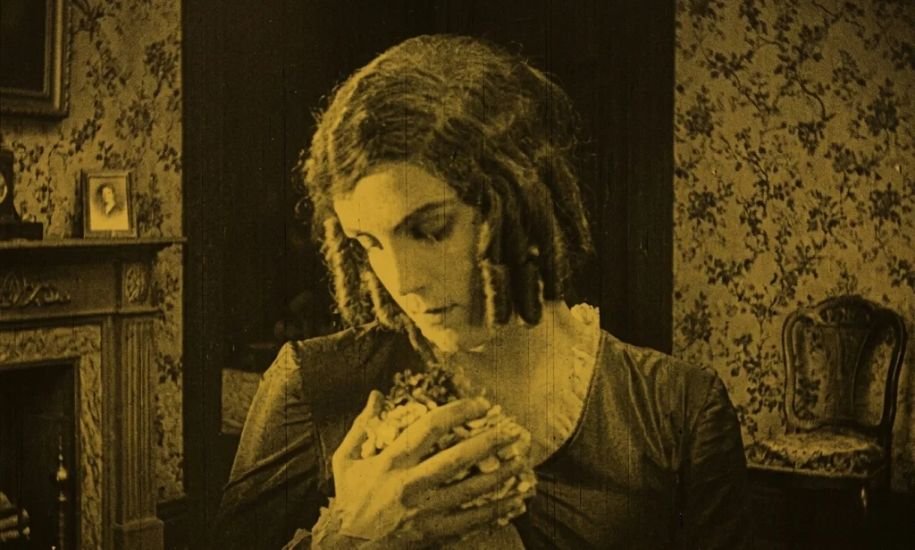
The most important achievement in Schröder’s acting career was her portrayal of Ellen Hutter in Nosferatu: A Symphony of Horror. Directed by F. W. Murnau, the 1922 silent film became a landmark in German Expressionist cinema and helped shape the visual language of horror filmmaking.
In the movie, Ellen is the wife of Thomas Hutter, played by Gustav von Wangenheim. Her character becomes central to the conflict involving Count Orlok, the mysterious vampire portrayed by Max Schreck.
Rather than depending on spoken dialogue, Schröder communicated emotion through facial expressions, gestures, and physical performance. Her portrayal gave Ellen a combination of vulnerability, determination, and emotional strength.
The character’s importance goes beyond being the vampire’s intended victim. Ellen becomes essential to the story’s conclusion, making her one of the most memorable female characters in early horror cinema.
Although the film initially faced copyright difficulties because of its unauthorized connection to Bram Stoker’s Dracula, it survived and eventually gained international recognition.
Today, Nosferatu is considered a foundational horror film, and Schröder’s performance remains an important part of its identity.

Other Notable Movies and Acting Projects
Although Nosferatu remains her best-known production, Schröder appeared in several other films throughout her career.
One notable appearance came in Der Golem: Wie Er in die Welt Kam (1920), also known internationally as The Golem: How He Came into the World. The film starred Paul Wegener and became another important example of German Expressionist filmmaking.
Her later performances demonstrated that she remained connected to the film industry even as filmmaking styles and audience expectations changed. She also appeared in British historical productions, including Victoria the Great, in which she portrayed Baroness Lehzen.
Greta Schröder as a Screenwriter
Acting was not her only creative interest. Schröder also contributed to the development of early German cinema through screenwriting.
She worked on the screenplay for Zucker und Zimt (1915), a production associated with Ernst Lubitsch and Ernst Matray. She also wrote for Das Phantom der Oper (1916), an early German adaptation of Gaston Leroux’s famous story.
The latter project is particularly interesting because the story later inspired numerous film, television, and theatrical adaptations.
These writing credits reveal another side of her professional abilities. She was not simply an actress performing characters created by others but also participated in developing stories for the screen.
Greta Schröder’s Husband and Married Life
Schröder’s personal life included two marriages to individuals associated with the entertainment industry.
Her first husband was Ernst Matray, a Hungarian-born dancer, actor, choreographer, and filmmaker. The couple married in 1912 and worked within the same artistic circles.
Their relationship also resulted in a son, Geza-Ernst Matray, born in 1915. Following his birth, Schröder temporarily stepped away from regular acting commitments to focus on family life.
Her second husband was Paul Wegener, a prominent German actor and film director. Wegener was already an established personality in German cinema, particularly known for his involvement in The Golem films.
Schröder and Wegener married in the 1920s. Their relationship connected two people who had both contributed to the development of German silent cinema. Their marriage eventually ended, although historical accounts differ about the exact timeline of their relationship and separation.
Did Greta Schröder Have Children?
Yes. Greta Schröder had one known son, Geza-Ernst Matray, from her first marriage to Ernst Matray.
His birth in 1915 was an important event in her personal life and influenced the direction of her acting career. She temporarily withdrew from public performances before returning to film and theater work around 1920.
There is limited widely available information about her son’s private life. Schröder generally maintained a relatively low public profile outside her professional activities.
Why Is Greta Schröder Still Remembered?
Her lasting recognition comes primarily from the cultural importance of Nosferatu. The film continues to influence filmmakers, actors, and horror enthusiasts more than a century after its original release.
Its distinctive atmosphere, unusual visual compositions, and unsettling characters helped establish conventions that later horror productions would develop further.
Schröder’s Ellen Hutter remains an essential part of that achievement. Her performance demonstrated how silent-film actors could communicate complicated emotions without spoken dialogue.
Her story also illustrates the contributions of women who worked behind and in front of the camera during the early development of cinema. Her screenwriting credits make her career particularly noteworthy because they show that her creative involvement extended beyond acting.
Greta Schröder’s Death and Later Years
The final years of Schröder’s life are not extensively documented. She continued appearing in films after the Second World War, with credits including Maria Theresia, Sterne über Colombo, and Die Gefangene des Maharadscha during the early 1950s.
Her final screen appearances marked the end of a career that had started during the silent-film era and continued into the postwar period.
There is some disagreement among historical records about her birth and death dates. Filmportal.de lists her as born on September 7, 1891, and dying on April 13, 1967, in Vienna. Other biographical sources, including IMDb, give June 27, 1892, as her birth date and June 8, 1980, as her death date in Berlin. Therefore, these dates should be treated cautiously rather than presented as universally established facts. Filmportal+2
Greta Schröder’s Legacy in Film History
Greta Schröder’s career reflects an important period in European entertainment when silent cinema was developing into a major international art form.
Her work with Max Reinhardt, Ernst Matray, and Paul Wegener placed her among performers connected with influential theatrical and cinematic circles.
Although she did not become a major international celebrity during her lifetime, her performance in Nosferatu ensured that later generations would continue to recognize her contribution.
Her career also deserves attention because she explored different creative roles, including acting, theater, and screenwriting. Her professional journey demonstrates that even performers with relatively small filmographies can leave a meaningful cultural legacy.
Frequently Asked Questions (FAQs)
1. Who was Greta Schröder?
Greta Schröder was a German actress and screenwriter best known for portraying Ellen Hutter in the 1922 silent horror film Nosferatu.
2. What was Greta Schröder’s most famous movie?
Her most famous movie was Nosferatu: A Symphony of Horror (1922), directed by F. W. Murnau. Her portrayal of Ellen Hutter remains her most recognizable screen performance.
3. Who was Greta Schröder’s husband?
She was married to Ernst Matray, her first husband, and later to German actor and filmmaker Paul Wegener.
4. Did Greta Schröder have children?
Yes. She had one known son, Geza-Ernst Matray, from her marriage to Ernst Matray.
5. When did Greta Schröder die?
Her death date is disputed. Filmportal.de records April 13, 1967, while IMDb lists June 8, 1980. The available historical records do not establish one universally accepted date.
Final Thoughts
Greta Schröder remains an interesting figure in the history of German cinema. Although her career included numerous theatrical and film projects, her performance in Nosferatu became her defining achievement. Her contributions as an actress and screenwriter demonstrate her involvement in the creative development of early filmmaking. Her story deserves recognition not only because of one famous horror movie but also because of the artistic journey that shaped her career. For more biographies, entertainment history, and informative articles, visit infovio.