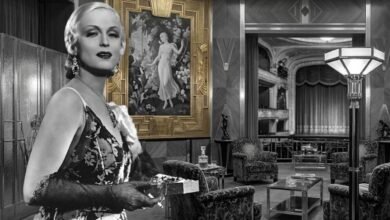
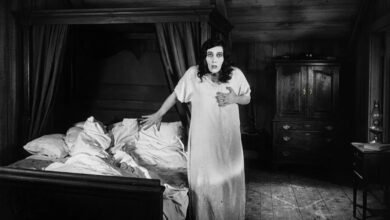
Margarete Schön was a talented German actress whose remarkable career covered the silent film era, the arrival of sound cinema, and the changing landscape of German entertainment after World War II. Best remembered for portraying Kriemhild in Fritz Lang’s legendary film series Die Nibelungen, she earned a lasting place in German cinema history. Beyond her famous screen performances, Schön also built a respected career in theater and radio. Her life reflects the dedication of an actress who remained connected to her profession for nearly five decades.
Quick Bio of Margarete Schön
| Detail | Information |
|---|---|
| Full Name | Margarete Schön |
| Birth Name | Margarethe Schippang |
| Date of Birth | April 7, 1895 |
| Birthplace | Magdeburg, Germany |
| Nationality | German |
| Profession | Actress |
| Famous Role | Kriemhild in Die Nibelungen |
| Husband | Robert Dinesen |
| Children | No reliably documented public information |
| Years Active | 1912–1960 |
| Award | German Film Award in Gold, 1968 |
| Date of Death | December 26, 1985 |
| Place of Death | West Berlin, Germany |

Early Life and Background
Margarete Schön was born Margarethe Schippang on April 7, 1895, in Magdeburg, Germany. She grew up during a period when theater was an important part of European cultural life. Although detailed information about her childhood and family background remains limited, her later achievements demonstrate an early interest in performance and artistic expression.
Rather than entering the entertainment industry without preparation, Schön received private acting lessons from theater actor Hans Calm in Dessau. This training helped her develop the skills needed for professional stage performances.
Her education in acting provided a strong foundation for a career that would eventually include theater, silent movies, sound films, and radio productions.
Beginning of Her Acting Career
Schön made her stage debut in 1912 in Bad Freienwalde. Her performance marked the beginning of a long professional journey in German entertainment.
Shortly afterward, she received an engagement at the municipal theater in Bromberg, now known as Bydgoszcz in Poland. Between 1915 and 1918, she became part of the ensemble at the Deutsches Theater in Hanover.
In 1918, she joined Berlin’s State Theater, where she continued performing until 1945. Working in established theatrical institutions gave her valuable experience and helped strengthen her reputation as a professional actress.
Her stage background also prepared her for the demands of early filmmaking, when actors often had to communicate emotion through facial expressions and physical movements.
Margarete Schön and Die Nibelungen
One of the most important moments in Schön’s career came in 1924, when she appeared in Fritz Lang’s two-part silent film epic Die Nibelungen.
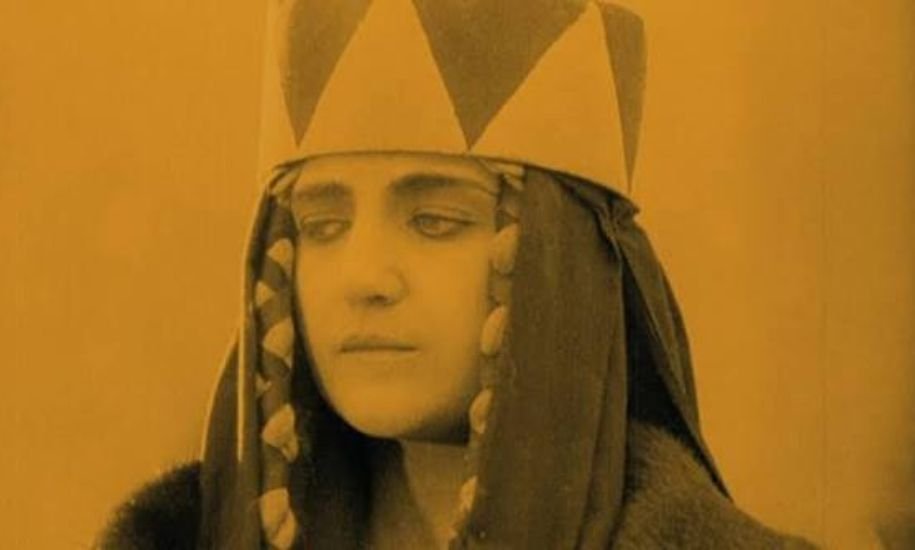
She portrayed Kriemhild, a central character whose journey involves love, betrayal, grief, and revenge. The films, Siegfried and Kriemhild’s Revenge, were based on the medieval German epic poem Nibelungenlied.
Her performance attracted considerable attention because of the emotional intensity and commanding presence she brought to the character. Kriemhild’s transformation throughout the story required a wide range of expressions, and Schön helped make the character memorable.
The production also became an important achievement in German silent cinema. Its elaborate sets, dramatic storytelling, and ambitious visual presentation contributed to its lasting reputation.
Although Schön appeared in numerous productions afterward, her portrayal of Kriemhild remained the performance most closely associated with her name.
Career During the Sound Film Era
The transition from silent movies to sound cinema changed the film industry considerably. Many performers had to adjust to new acting techniques, dialogue, and production methods.

Schön successfully continued working during this period. Throughout the 1930s, she appeared in a variety of German films, although she increasingly received supporting roles rather than the leading parts she had enjoyed earlier.
Some of her film appearances included Mazurka (1935), Viktoria (1935), Gassenhauer (1931), and Die Entlassung (1942).
In 1944, she appeared in the popular comedy Die Feuerzangenbowle, playing Frau Knauer. The film became one of the best-known German comedies of its era and remains associated with her later screen career.
Her ability to work across different genres demonstrated her versatility and professional consistency.
Life After World War II
Following World War II, Schön continued her career in a changing German entertainment industry. She appeared in films produced in both the western and eastern German film environments.
Between 1948 and 1950, she worked with DEFA, the state-owned film production company established in East Germany. During these years, she participated in productions that reflected the developing postwar German film landscape.
She also expanded her work in radio. Her activities included radio plays, narration, documentary-related productions, and performances intended for younger audiences.
Radio offered another opportunity to demonstrate her expressive voice and storytelling abilities. It also allowed her to remain professionally active when her film appearances became less frequent.
Schön eventually retired from acting in 1960, bringing an end to a career that had lasted almost fifty years.
Husband and Personal Life
Margarete Schön was married to Danish film director Robert Dinesen. Their relationship connected her personal life with the filmmaking world, as Dinesen was also involved in the entertainment industry.
He died in 1972, thirteen years before Schön. Historical records identify him as her husband, but detailed information about their private relationship is limited.
There is also no sufficiently reliable public documentation confirming whether the couple had children. For this reason, claims about her family life should be treated cautiously.
Unlike many modern celebrities, Schön maintained a relatively private personal life. Most surviving information about her comes from her professional activities rather than interviews or personal publicity.
Awards and Recognition
In 1968, Schön received the German Film Award in Gold, known as the Filmband in Gold, in recognition of her longstanding and outstanding contribution to German cinema.
The award acknowledged her extensive experience and the value of her work across different periods of film history.
Her performance in Die Nibelungen remains particularly important to film historians and enthusiasts interested in early German cinema.
In 2023, the Filmmuseum Potsdam also received a collection connected to Schön. The materials included photographs, newspaper articles, diaries, audio recordings, and records. This collection offers valuable insight into her professional life and the history of silent-film performance.
Death and Legacy
Margarete Schön died on December 26, 1985, in West Berlin, Germany. She was 90 years old.
She was buried at Friedhof Heerstraße in Berlin-Westend, where her grave is also associated with her husband and mother.
Although several decades have passed since her death, her contribution to German cinema remains significant. Her portrayal of Kriemhild continues to introduce audiences to one of the most influential productions of the silent-film period.
Her career also illustrates how performers adapted to major changes in entertainment, from theatrical stages and silent pictures to sound films and radio broadcasting.
Frequently Asked Questions
1. Who was Margarete Schön?
Margarete Schön was a German actress born on April 7, 1895. She became internationally recognized for playing Kriemhild in Fritz Lang’s silent film epic Die Nibelungen.
2. What was Margarete Schön famous for?
She was best known for her performance as Kriemhild in Die Nibelungen: Siegfried and Die Nibelungen: Kriemhild’s Revenge, both released in 1924.
3. Who was Margarete Schön’s husband?
She was married to Danish film director Robert Dinesen, who died in 1972.
4. When did Margarete Schön die?
She died on December 26, 1985, in West Berlin, Germany, at the age of 90.
5. Did Margarete Schön receive any awards?
Yes. She received the German Film Award in Gold in 1968 for her longstanding contribution to German cinema.
Final Thoughts
Margarete Schön’s life and career represent an important chapter in the history of German entertainment. From her early theater performances to her unforgettable portrayal of Kriemhild, she demonstrated remarkable dedication to acting. Her contributions to silent films, sound cinema, and radio helped establish her reputation as a versatile performer. Although she maintained a private personal life, her professional achievements continue to attract attention from classic film enthusiasts. At infovio, we appreciate sharing the stories of influential personalities whose work continues to hold historical and cultural value.